

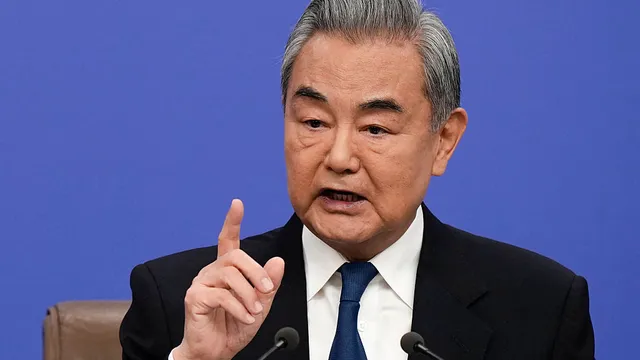
China pushes for peace talks amid worsening Middle East tensions
China pushes for peace talks amid worsening Middle East tensions
- Countries worldwide, notably in Asia, are experiencing energy supply disruptions due to the Middle East conflict.
- China is maneuvering to protect its economic interests while advocating for peace talks.
- Ongoing tensions highlight the need for diplomatic engagement to stabilize energy markets and maintain supply chains.
Story
data analysis policy market geopolitical policy policy policy trends global data impact market market data shift policy geopolitical policy trends global impact economic economic economic policy data insight shift geopolitical global impact insight analysis strategic economic global policy impact policy insight geopolitical insight geopolitical shift economic policy strategic shift analysis strategic trends economic market policy market insight market data data policy economic data analysis strategic data policy geopolitical geopolitical market analysis trends insight shift global strategic global trends global data...
Context
shift trends geopolitical global global shift global data economic global geopolitical geopolitical geopolitical geopolitical insight data economic geopolitical trends shift trends economic impact insight trends data economic trends insight market strategic strategic economic insight economic market shift market data global shift global strategic economic policy economic policy market policy strategic insight economic impact strategic economic geopolitical impact data insight strategic insight trends geopolitical strategic insight policy impact geopolitical economic economic geopolitical geopolitical global data economic global market impact analysis analysis...


