

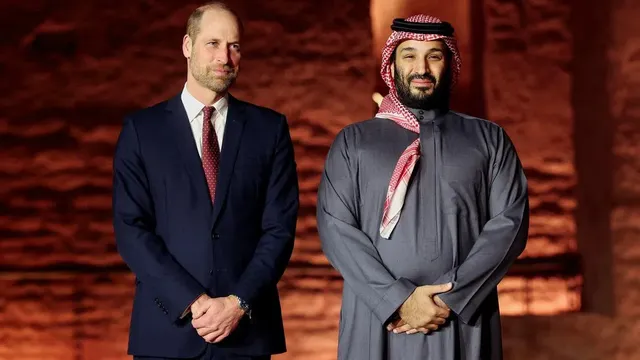
Prince William faces diplomatic challenges during Saudi Arabia visit
Prince William faces diplomatic challenges during Saudi Arabia visit
- Prince William's visit to Saudi Arabia includes discussions on economic cooperation and women's rights.
- The backdrop of the visit is marred by ongoing allegations against Prince Andrew, raising concerns about its perception.
- The royal family's engagement in Saudi Arabia highlights the challenges of balancing diplomatic relations with ethical considerations.
Story
Prince William has embarked on his first official visit to Saudi Arabia, a country marked by its controversial human rights record and complex political landscape. Scheduled from February 5 to February 9, 2026, his arrival coincides with various high-profile events, including the Red Sea International Film Festival and the Saudi Formula One Grand Prix, laying the groundwork for future investments and partnerships. This visit is particularly significant for the UK government, which has expressed a desire to strengthen ties with the kingdom, especially in light of a rapidly changing global economy. The context of the visit is multilayered, as the royal family has been managing the fallout from recent allegations involving Prince Andrew, which have escalated public scrutiny and criticism of the monarchy. This backdrop raises concerns about whether these scandals will overshadow Prince William's diplomatic efforts, signalling the royal family's ongoing struggle with public perception and its implications for soft power. During his stay, Prince William is expected to engage in discussions with Saudi Crown Prince Mohammed bin Salman on various important topics such as economic cooperation, cultural exchange, and potentially sensitive subjects like women's rights, given the kingdom's incremental progress in this area. The prince's briefing will include insights into Saudi Arabia's changing landscape, with a stronger emphasis on economic initiatives led by a younger generation of policymakers. Despite the heightened diplomatic expectations, the visit also presents a moral dilemma for Prince William, who will be seen alongside MBS, a leader linked to numerous human rights violations, including the murder of journalist Jamal Khashoggi. This association could lead to public backlash, as many view the monarchy's engagement with the Saudi regime as tacit approval of its harsh policies. As world leaders continue to grapple with Saudi Arabia's controversial reputation, William's visit highlights the delicate balance between diplomatic relations and ethical considerations in international politics.
Context
Saudi Arabia's human rights record has drawn increasing scrutiny from international organizations and activists. The kingdom has been criticized for its treatment of dissidents, suppression of freedom of expression, and harsh criminal justice practices. Reports document numerous instances of arbitrary detention, especially of journalists, activists, and those who express dissenting opinions. Furthermore, the use of harsh penalties, including capital punishment, is often meted out for non-violent offenses, raising concerns about the fairness and transparency of the judicial process in the country. Amnesty International and Human Rights Watch have highlighted these issues, calling for reforms to align the kingdom's practices with international human rights standards. In terms of women's rights, Saudi Arabia has made some strides, including allowing women to drive and increasing their participation in the workforce. However, significant inequalities remain entrenched. Women are still subject to a male guardianship system, which limits their legal rights and autonomy. This guardianship system requires women to obtain permission from a male relative for various activities, affecting their freedom and ability to make independent choices about their lives. Additionally, despite some legislative changes, societal attitudes and cultural norms continue to place restrictions on women, impacting their access to education, employment, and public life. The situation for migrant workers in Saudi Arabia is also concerning. The country hosts millions of foreign laborers, many of whom face exploitative working conditions, low wages, and inadequate protections. The kafala (sponsorship) system has been criticized for fostering an environment where workers can be easily exploited and have little recourse for grievances. Reports of abuse, including physical and sexual violence against migrant workers, have emerged, leading to calls for a reevaluation of labor laws to ensure better protection for vulnerable populations. Overall, while there have been some positive developments regarding human rights in Saudi Arabia, particularly for women, significant challenges remain. The government's persistent repression of dissent and failure to uphold basic rights continues to attract international condemnation. The pressure for reform is mounting, with global awareness growing around the need for the kingdom to improve its human rights record. As the international community engages with Saudi Arabia, there is an opportunity for advocacy that could lead to meaningful change and enhance the living conditions and rights of citizens and residents alike.


