

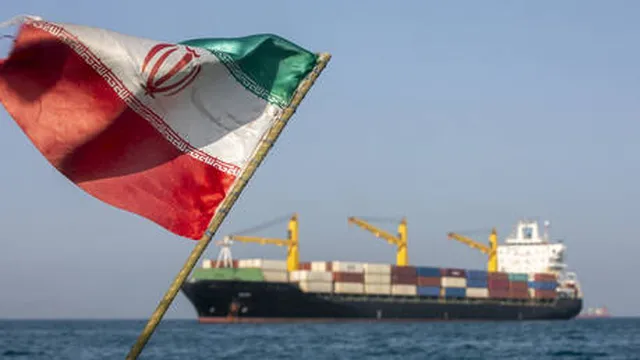
Iran insists US has no responsibility in Strait of Hormuz
Iran insists US has no responsibility in Strait of Hormuz
- Foad Izadi argues that the United States has no responsibility or authority over the Strait of Hormuz, which is located far from its borders.
- The Strait of Hormuz is a critical maritime corridor divided between Iranian and Omani waters, governed by international law.
- These developments highlight the ongoing tensions and negotiations between Iran and the U.S., with the Strait remaining a significant pressure point.
Story
In a recent interview, Foad Izadi, a political communication professor at the University of Tehran, expressed strong opinions regarding the involvement of the United States in the Strait of Hormuz. He emphasized that the United States, being located nearly 11,000 kilometers away, lacks any authority to manage or intervene in this strategic waterway. This sentiment reflects a broader tension in U.S.-Iran relations, particularly in light of ongoing peace talks. The Strait of Hormuz, a key maritime corridor for global oil trade, has witnessed significant geopolitical maneuvering amid longstanding hostilities between Tehran and Washington. Izadi's comments highlight the legal complexities surrounding the Strait, where territorial waters are divided between Iran and Oman according to the United Nations Convention on the Law of the Sea (UNCLOS). He argued that only Iran is responsible for maintaining security in the strait, reinforcing Tehran's position against any U.S. involvement in the region. Furthermore, he pointed out that there are international precedents for nations charging fees for passage through their territorial waters, a practice already in place by countries like Australia and Canada. On another front, former Pentagon official Michael Patrick Mulroy shared insights on U.S.-Iran negotiations, suggesting that both nations recognize the need for de-escalation to avoid further conflict. However, he cautioned that the Strait of Hormuz remains a long-term pressure point, particularly given the military capabilities and tensions displayed by both sides. Mulroy’s perspective serves as a reminder of the delicate balance of interests at play, as the international community continues to monitor the situation closely. Overall, the dynamics surrounding the Strait of Hormuz illustrate the complexity of modern geopolitical conflicts, with local and international implications echoing far beyond the immediate landscape. As discussions continue on both military and diplomatic fronts, the strait will likely remain a focal point of contention, influencing not just regional security but also global energy markets and international relations.


