

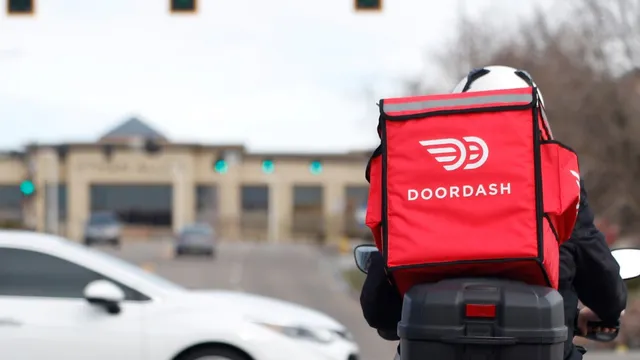
DoorDash commits $50 million to aid drivers affected by gas prices
DoorDash commits $50 million to aid drivers affected by gas prices
- In March 2026, DoorDash announced a $50 million relief program to assist delivery drivers due to skyrocketing gas prices.
- The demand for delivery services remained strong despite challenges like winter storms, but revenue and orders fell short of forecasts.
- DoorDash's decision underscores a broader trend in the food delivery industry, where rising costs are affecting drivers and consumer purchasing power.
Story
In March 2026, amidst rising gas prices due to the ongoing conflict in Iran, DoorDash, a leading food delivery service based in the U.S., declared a temporary program to provide additional compensation to its delivery drivers across the U.S. and Canada. With the national average for a gallon of gas reaching $4.53, reflecting a 44% increase from the previous year, DoorDash acknowledged the growing financial pressures on its workforce and decided to allocate $50 million to assist its drivers. While the demand for deliveries remained robust during the first quarter, the company faced challenges, including winter storms that hindered business operations and led to fewer orders than anticipated. Although DoorDash reported a revenue growth of 33%, reaching $4.0 billion, it fell short of analyst expectations, which projected revenues of $4.15 billion for this period. Additionally, the company experienced a slight decline in net income, which dropped by 5% to $184 million, or 42 cents per share, despite surpassing forecasts for profitability. The delivery service has also indicated that it might need to adjust its investment strategy in other areas to accommodate continued support for its drivers. Moving forward, DoorDash has expressed intent to focus on its core delivery services, with further plans for innovation and investment in new features to enhance customer experience and drive growth in a competitive market. In contrast, the CEO and Chairman of McDonald's has also addressed the impact of heightened gas prices, noting that low-income consumers are disproportionately affected. Despite challenges in maintaining revenue due to these economic conditions, McDonald's has implemented strategies such as value meals and limited-time offers to attract and retain customers. The overall market sentiment among fast-food chains is cautious as they navigate the economic landscape shaped by rising gas prices and shifting consumer behavior.
Context
The food delivery industry has undergone significant transformations in recent years, especially in response to changing consumer behaviors and technological advancements. The rise of mobile applications and online ordering platforms has made food delivery more accessible than ever, enabling consumers to order meals from a variety of restaurants with a few taps on their smartphones. As of 2026, major players in this market, such as Uber Eats, DoorDash, and Grubhub, have expanded their services beyond traditional restaurant partnerships to include grocery delivery and meal kits, reflecting a broader shift in consumer preferences towards convenience. This evolution highlights the need for food delivery services to continuously adapt to meet varying demands, as competition in the sector remains fierce. Moreover, the COVID-19 pandemic served as a catalyst for growth in the food delivery industry, accelerating trends that were already emerging. Lockdowns and social distancing measures led to an unprecedented surge in online food orders, pushing restaurants and consumers alike to embrace delivery services. By leveraging contactless delivery options and enhancing safety protocols, food delivery companies not only helped to sustain businesses during the pandemic but also fostered a stronger consumer trust in these services. As people become accustomed to the convenience of having meals delivered to their doorsteps, the industry has seen a lasting increase in customer retention and frequency of orders. Adoption of cutting-edge technology is a defining feature of the food delivery industry, with advancements in artificial intelligence and logistics management improving operational efficiency. Delivery platforms are employing algorithms to optimize delivery routes, reducing wait times and improving customer satisfaction. Furthermore, the trend of incorporating autonomous vehicles and drones into delivery solutions is gaining traction, hinting at a future where technology plays an even more integral role in logistics. As the technology matures and regulatory frameworks evolve, the potential for increased efficiency and reduced costs presents an exciting vision for the industry. However, the food delivery industry also faces challenges that need addressing to ensure sustainable growth. Concerns surrounding labor conditions for delivery drivers, including fair wages and job security, are prominent issues that demand attention from stakeholders. Additionally, the competitive landscape is unpredictable, with new entrants continuously seeking to disrupt the market, often leading to aggressive pricing strategies. Sustainability is another crucial consideration as consumer awareness of environmental issues rises; companies are under pressure to innovate in packaging and reduce carbon footprints. For the food delivery industry to thrive in the coming years, it must navigate these challenges while continuing to innovate and cater to the evolving preferences of consumers.


