

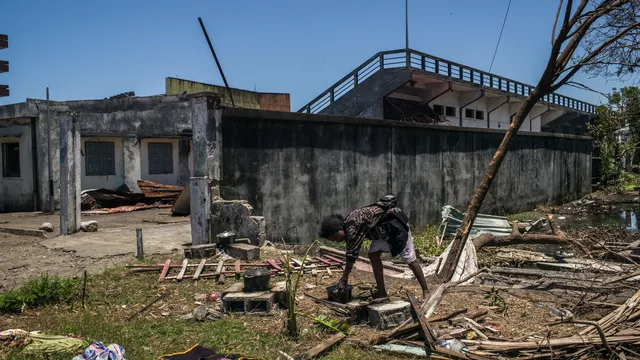
Cyclone Gezani kills at least 59 in Madagascar disaster
Cyclone Gezani kills at least 59 in Madagascar disaster
- Cyclone Gezani caused at least 59 deaths and displaced over 16,000 individuals in Madagascar.
- Just ten days prior, Tropical Cyclone Fytia had already inflicted damage, resulting in 14 deaths and over 31,000 displaced.
- The increasing frequency of these storms highlights the urgent need for effective disaster management and climate adaptation strategies in the region.
Story
In the past week, Madagascar experienced the devastating impact of Cyclone Gezani, which resulted in at least 59 confirmed deaths and significant destruction across the region. The National Bureau for Risk and Disaster Management reported over 16,428 individuals displaced, with 15 still missing and 804 injured due to the cyclone's fierce winds and heavy rains. The storm, characterized by sustained winds of up to 185 kilometers (115 miles) per hour and gusts reaching 270 kilometers per hour, wreaked havoc on the island nation's infrastructure, uprooting trees, and damaging roofs and homes as it moved across the landscape. Cyclone Gezani struck Madagascar just ten days after another storm, Tropical Cyclone Fytia, which had already claimed 14 lives and displaced more than 31,000 people, showcasing the increasing frequency and severity of tropical cyclones affecting the region. As the weather system progressed, it created dangerous waves reaching up to 10 meters high in the Mozambique Channel, impacting neighboring Mozambique as well. The area was already dealing with the aftermath of severe flooding, rendering it especially vulnerable to the high winds and storm surges brought by Gezani. In anticipation of further threats, meteorological services issued warnings and alerts, particularly affecting southern Madagascar's Ampanihy district, where officials predicted more wind damage but limited rainfall as the cyclone passed offshore. The local weather service indicated that Gezani was expected to make a second landfall in the region soon, compounding the challenges faced by local communities still recovering from the prior storm. Residents prepared by reinforcing their homes, covering roofs with sandbags, and barricading windows with corrugated iron to mitigate the damage from the incoming winds. Cyclones are a concern in this part of the world, with climate change contributing to more frequent and severe weather events. As Mozambique prepares for the cyclone to approach from the sea, local fishermen are advised to remain at home, and sailing has been restricted to ensure safety during the extreme weather conditions. This episode highlights the urgent need for improved disaster management strategies and climate change adaptation measures in vulnerable regions like Madagascar and Mozambique, as communities grapple with the ongoing impacts of these natural disasters.
Context
Climate change is significantly impacting Madagascar and Mozambique, two countries known for their rich biodiversity and distinct ecosystems. In Madagascar, rising temperatures and erratic rainfall patterns have led to severe droughts and increased vulnerability of agriculture, which is a primary source of livelihood for many communities. This climatic shift threatens staple crops such as rice and cassava, leading to food insecurity and malnutrition among the population. As one of the world's biodiversity hotspots, Madagascar also faces the risk of losing unique species, as their habitats are altered or destroyed due to changing climatic conditions. The island's endemic flora and fauna are under threat, with many species becoming vulnerable to extinction if current trends continue. Mozambique is similarly affected, grappling with the escalating impacts of climate change manifested through intense cyclones, flooding, and rising sea levels. The country has experienced a series of devastating cyclones that have resulted in loss of lives, displacement of communities, and substantial damage to infrastructure. The coastal regions, which are critical for fisheries and tourism, are highly threatened by rising sea levels, leading to habitat loss and increased salinity in freshwater sources. The agricultural sector, vital for the economy, is also under pressure, as unpredictable weather patterns disrupt traditional farming practices, further exacerbating food insecurity. Both countries are taking steps towards climate adaptation, focusing on sustainable land management and conservation efforts to protect their unique ecosystems. Community-based programs are being developed to enhance resilience, increase awareness among local populations, and promote sustainable agricultural practices to cope with the changing climate. Roads and infrastructure are being built to withstand extreme weather events, showcasing a move towards a more integrated approach in tackling climate change challenges. However, the effectiveness of these measures heavily relies on international cooperation and funding. Climate change is a global challenge requiring collective efforts, particularly from richer nations that contribute the most to carbon emissions. Madagascar and Mozambique need sustained support to implement effective climate adaptation strategies and to safeguard their biodiversity. Understanding and mitigating the impacts of climate change in these regions is essential not only for the well-being of their populations but also for the preservation of global biodiversity.


