

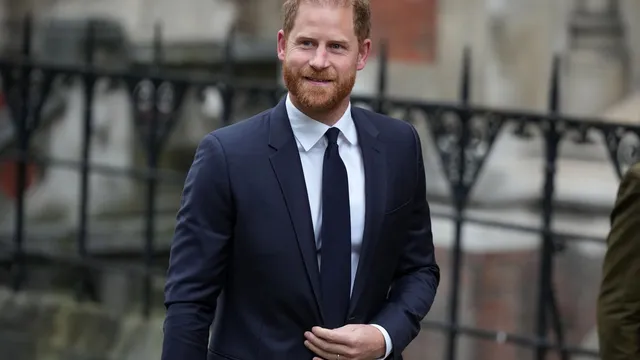
Prince Harry prepares to face the Daily Mail publisher in court
Prince Harry prepares to face the Daily Mail publisher in court
- Prince Harry is currently involved in a high-profile lawsuit against Associated Newspapers for unlawful information gathering.
- The case includes prominent figures and aims to challenge aggressive media tactics linked to his mother's death.
- The outcome of the trial may influence media law and Harry's family relationships.
Story
In the United Kingdom, Prince Harry returned to London on January 19, 2026, to engage in a significant legal battle against Associated Newspapers Limited, the publisher of the Daily Mail. This trial is crucial as it addresses allegations of unlawful information-gathering practices initiated by the publisher during the late 1990s and early 2000s. Set to last nine weeks, the high-stakes lawsuit also includes notable figures like Elton John, Elizabeth Hurley, and Doreen Lawrence as co-claimants. These allegations encompass a range of serious accusations, including phone tapping and hiring private investigators to illegally obtain private information. The legal action arises after a series of high-profile disputes between Prince Harry and various media outlets. Recent years have seen him successfully sue other publishers for similar unlawful information gathering, resulting in substantial damages and apologies. These instances have significantly impacted his reputation and financial standing. As this trial approaches, it serves not only as a potential turning point in Harry's legal battles but also holds the power to reshape the complexities of press relations in Britain. The claims made against Associated Newspapers have sparked widespread public interest, particularly in light of Prince Harry’s history of grievances with the British press, which he attributes to the tragic death of his mother, Princess Diana, under similar circumstances involving paparazzi. Harry’s legal campaign is seen as both a personal and broader fight against what he perceives to be the immoral practices of media outlets that compromise individual privacy. However, reactions to the lawsuit, both supportive and critical, raise questions about media ethics and the responsibility of public figures in handling press scrutiny. This lawsuit emerges during a turbulent time in Harry’s personal life, following his departure from royal duties and ongoing tensions within the royal family. There are suggestions that the outcome of this case could influence his relationships with family members, particularly with King Charles III and Prince William. It also poses a significant risk for Associated Newspapers, which has profoundly denied the allegations. The trial’s outcome could speak volumes about the future of media practices in the UK, ultimately impacting the rights of individuals versus the power of the press.
Context
Media ethics and privacy rights in the UK are paramount in ensuring a balanced relationship between the freedom of expression and the protection of individuals' personal information. The media plays a crucial role in society by informing the public and holding those in power accountable. However, this freedom comes with a responsibility to act ethically, particularly in an era where the boundaries of privacy are increasingly blurred by technological advancements. In the UK, the regulatory landscape is shaped by various laws and codes, including the Data Protection Act 2018, which aligns with the General Data Protection Regulation (GDPR), emphasizing the rights of individuals over their personal data and imposing strict guidelines on how such data can be collected, stored, and shared by media organizations. The ethical implications of media practices are deeply intertwined with privacy rights. Journalists and media professionals are bound by ethical codes, such as the National Union of Journalists' Code of Conduct, which advocates for integrity, accuracy, and respect for the reputation of individuals. With the rise of social media and digital news platforms, ethical dilemmas surrounding privacy rights have become more pronounced. Instances of doxxing, the unauthorized publication of private information, have highlighted the potential for harm that can arise from irresponsible practices. Therefore, a careful consideration of the implications of reporting on private matters is essential, particularly in light of the potential for emotional and psychological distress to those involved. Moreover, the quest for newsworthiness must be weighed against the right to privacy. Cases involving public figures may warrant greater scrutiny; nevertheless, there remains a significant ethical obligation to respect the privacy of individuals, especially in sensitive cases involving tragedies or personal crises. The media's role in portraying such stories can often influence public perception and, at times, lead to adverse consequences for individuals whose privacy is compromised. The media's social responsibility thus extends beyond mere reporting to encompass an advocacy for the dignity and rights of individuals, maintaining a balance between the public's interest and individual privacy. As society grapples with these challenges, discussions surrounding the jurisdiction and enforcement of privacy rights continue to evolve. Legal precedents, such as the case of Campbell v. MGN Ltd, illustrate the ongoing tension between privacy rights and freedom of speech. It underscores the significance of having robust mechanisms in place to address violations. As debates about the implications of media ethics and privacy intensify, it becomes crucial for media professionals to engage with ethical considerations actively and ensure that their practices contribute to an informed and respectful discourse, respecting the rights of individuals while fulfilling their societal role.


