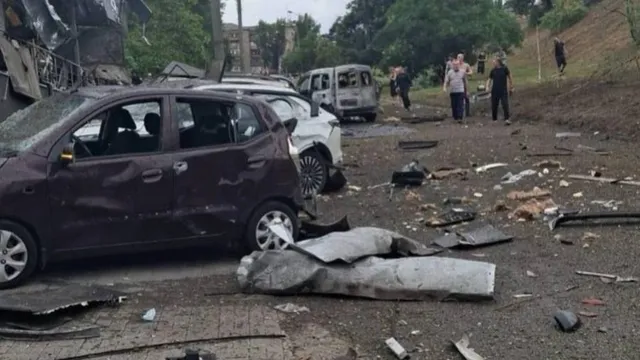
The ongoing conflict in Ukraine has seen a significant escalation in the use of airstrikes by Russian forces, leading to devastating impacts on civilian populations. These airstrikes have not only targeted military installations but have also resulted in widespread destruction of residential areas, schools, hospitals, and critical infrastructure. The indiscriminate nature of these attacks raises serious concerns regarding compliance with international humanitarian law, which mandates the protection of civilians during armed conflicts. Reports indicate that thousands of civilians have been killed or injured as a direct result of these airstrikes, with many more displaced from their homes, creating a humanitarian crisis of alarming proportions.
The psychological impact on the civilian population is profound, as fear and trauma become part of daily life. Families are forced to live in constant uncertainty, with many seeking refuge in underground shelters or fleeing to safer regions or neighboring countries. The disruption of essential services, such as healthcare and education, exacerbates the situation, leaving vulnerable populations without access to necessary support. Children, in particular, are at risk of long-term psychological effects, as their formative years are marred by violence and instability. The international community has expressed outrage over these airstrikes, calling for accountability and the protection of civilians.
Humanitarian organizations are struggling to provide aid amidst the chaos, facing challenges such as restricted access to affected areas and the ongoing threat of violence. The destruction of infrastructure has hindered the delivery of food, medical supplies, and other essential services, leading to increased suffering among the civilian population. Efforts to document the extent of the damage and the number of casualties are ongoing, but the fluid nature of the conflict complicates these efforts. The need for a coordinated international response is critical to address the immediate needs of those affected and to work towards a sustainable resolution to the conflict.
In conclusion, the impact of Russian airstrikes on civilians in Ukraine is catastrophic, with far-reaching consequences that extend beyond immediate casualties. The violation of humanitarian principles and the targeting of civilian infrastructure highlight the urgent need for international intervention and support. As the situation continues to evolve, it is imperative that the global community remains vigilant and responsive to the plight of those affected by this conflict, advocating for their rights and ensuring that humanitarian assistance reaches those in need.