
politics
controversial
impactful

Elon Musk sues OpenAI for $134 billion over nonprofit betrayal

Apr 29, 2026, 10:09 PM20
(Update: Apr 30, 2026, 1:18 AM)
business magnate and investor
American venture-capitalist in Silicon Valley.
American artificial intelligence research organization

Elon Musk sues OpenAI for $134 billion over nonprofit betrayal

  • Elon Musk is currently involved in a lawsuit against OpenAI and its CEO Sam Altman over the organization's shift from non-profit to for-profit.
  • During the trial, Musk accused OpenAI's legal team of using complex and misleading questions to challenge him.
  • The lawsuit raises critical concerns about the alignment of AI companies with their original charitable missions and the consequences for the industry.
Share opinion
Tip: Add insight, not just a reaction
2

Story

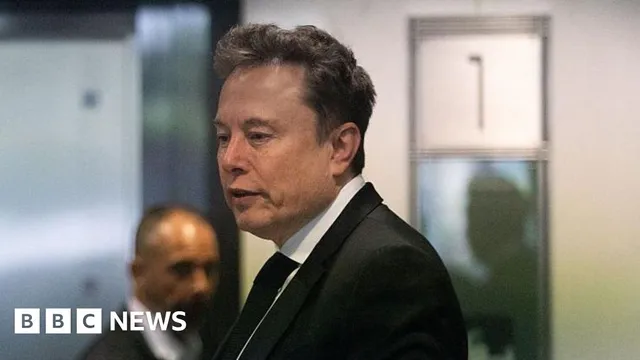
In a high-profile lawsuit filed by Elon Musk against OpenAI, the trial commenced in late April 2026, with Musk testifying about his grievances against the organization he co-founded in 2015. The lawsuit revolves around allegations that OpenAI, led by CEO Sam Altman, has strayed from its original mission as a nonprofit entity dedicated to public good by transitioning into a for-profit model that enriches its executives and investors. Musk's criticism is particularly directed at the commercial arm established by OpenAI in 2019, a significant decision he argues betrayed the foundational principles of charitable giving that originally guided the organization. The courtroom scenes were marked by a tense atmosphere, particularly during Musk's cross-examination, where he exhibited combative behavior toward OpenAI's lawyer, Bill Savitt. Musk was accused of being motivated by a desire to undermine a competitor in the AI space, amid arguments that he was jealous for having walked away from the company in 2018. As the questioning intensified, Musk claimed that the complexity of Savitt's questions was intended to trick him. He insisted that he was initially committed to ensuring OpenAI's direction aligned with its purpose, which was to operate as a nonprofit. Musk emphasized that he chose to establish OpenAI as a nonprofit venture, stating, "It's not okay to steal a charity," implying that any financial gains made by OpenAI leaders create a conflict with its stated goals. During the trial, Musk recounted his early investment of nearly $1 billion and the reputation he leveraged to aid OpenAI's establishment. However, OpenAI's legal team claimed that Musk had never fulfilled his funding promises and left the organization due to a lack of control over its operations, which he allegedly sought to merge with his other company, Tesla. As the proceedings continue, implications of the case extend beyond Musk and OpenAI, potentially defining the relationship between profit and nonprofit enterprises in the rapidly evolving field of artificial intelligence. The outcome of this lawsuit could set a precedent for how tech innovators balance ethical responsibilities with commercial interests, particularly regarding the use of charitable foundations for funding technology advancements. The trial is expected to last several weeks, drawing attention from both the tech industry and the public alike.

Context

OpenAI has made significant strides in its business model as it transitioned from a non-profit organization to a for-profit entity in order to secure the necessary funds to scale its operations and develop cutting-edge artificial intelligence technologies. This change was largely driven by the need to attract investment and compete with other tech giants in the field of AI. The transition aimed to facilitate the rapid advancement of AI research and technology while ensuring that the benefits of AI are distributed broadly across society. The introduction of a capped-profit model allowed OpenAI to generate investment returns while still focusing on its primary mission of ensuring that artificial general intelligence (AGI) benefits humanity as a whole. This shift to a for-profit structure was designed to balance the need for financial sustainability with the organization's foundational ethos of being an AI safety and ethics-focused company. By adopting a hybrid model, OpenAI was able to appeal to a wider range of investors who were initially hesitant to support a purely non-profit initiative. The capped profit framework enables investors to receive a return on their investments while limiting the total potential returns, thereby aligning financial incentives with the long-term mission of responsible AI development. As part of its transition, OpenAI outlined specific commitments to safety and ethical usage of AI technologies. The organization established rigorous internal guidelines and oversight mechanisms to ensure AI systems are developed responsibly. OpenAI emphasizes its commitment to transparency, strong collaboration with regulatory bodies, and ongoing public engagement around AI's social implications. This proactive approach seeks to mitigate risks associated with powerful AI systems and validate OpenAI’s promise to prioritize societal benefit over profit. Overall, OpenAI's transition to for-profit marks a pivotal moment in the AI landscape. It underscores the growing recognition that significant resources are required for the development of safe and beneficial AI technologies. By blending for-profit motivations with a clear focus on ethical practices, OpenAI aims to be a leader not only in technological advancement but also in ensuring that the future of AI is secure, ethical, and beneficial to all.

2026 All rights reserved
