

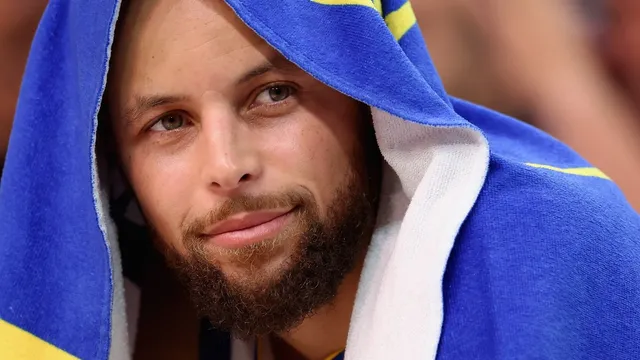
Stephen Curry signs major deal with Chinese brand Li-Ning
Stephen Curry signs major deal with Chinese brand Li-Ning
- Stephen Curry has signed an endorsement deal with Chinese sportswear brand Li-Ning.
- The partnership aims to expand Li-Ning's presence in the US and develop new products.
- This collaboration marks a significant step for both Curry and Li-Ning in the global sportswear market.
Story
In a significant move for both Stephen Curry and the Chinese sportswear market, the NBA superstar announced his endorsement deal with Li-Ning, a prominent Chinese sportswear giant. This partnership comes after Curry's previous collaborations with Nike and Under Armour, marking his first venture with a Chinese brand. The deal aims to enhance Li-Ning's presence in the United States while also expanding Curry's brand portfolio, which includes plans for launching signature stores in both the US and China. Li-Ning, which operates over 7,000 shops across Asia, is looking to solidify its status as a global brand by collaborating with high-profile athletes like Curry. The partnership is expected to focus on developing products across various sports categories, particularly basketball and golf. Curry expressed optimism about the collaboration, stating that it would provide his brand with an "expanded runway of resources" to grow internationally. This move aligns with a broader trend where Chinese sportswear brands are increasingly signing Western athletes to enhance their global appeal. Other NBA stars, such as Dwayne Wade and Jimmy Butler, have also partnered with Li-Ning, while Klay Thompson and Kyrie Irving have deals with Anta, another Chinese sportswear company. The competitive landscape for sportswear in China has intensified, with local manufacturers offering more affordable options compared to Western brands. Despite the challenges posed by a slowing demand in China due to low domestic spending, the endorsement deal signifies a strategic effort by both Curry and Li-Ning to capitalize on the growing interest in sports culture and consumer spending in the region. As Curry continues to build his brand, this partnership could pave the way for further collaborations and innovations in the sportswear industry. Overall, this endorsement deal not only highlights the increasing globalization of sports marketing but also reflects the changing dynamics in the sportswear market, where Chinese brands are striving to establish themselves on the international stage. The collaboration between Stephen Curry and Li-Ning is a testament to the potential for growth and innovation in the sports industry, as both parties aim to leverage their strengths to achieve mutual success.
Context
The impact of Chinese sportswear brands in the global market has been significant and transformative over the past few decades. As the demand for athletic apparel continues to rise globally, Chinese brands have positioned themselves as key players in this competitive landscape. Companies such as Anta, Li-Ning, and 361 Degrees have not only expanded their domestic market share but have also made substantial inroads into international markets. This growth can be attributed to a combination of strategic marketing, sponsorship of high-profile athletes and events, and a focus on innovation in product design and technology. By leveraging their manufacturing capabilities and cost advantages, these brands have been able to offer high-quality products at competitive prices, appealing to a broad range of consumers worldwide. In recent years, the global sportswear market has seen a shift in consumer preferences, with an increasing emphasis on lifestyle and fashion elements in athletic wear. Chinese brands have adeptly responded to this trend by incorporating contemporary designs and collaborating with fashion influencers, thereby enhancing their appeal to younger demographics. This strategy has allowed them to penetrate markets traditionally dominated by Western brands such as Nike and Adidas. Furthermore, the rise of e-commerce has facilitated the global reach of these brands, enabling them to connect directly with consumers and bypass traditional retail channels. As a result, Chinese sportswear brands have gained visibility and recognition on a global scale, contributing to their rapid growth. The influence of Chinese sportswear brands is also evident in their commitment to sustainability and social responsibility. As global consumers become more environmentally conscious, these brands are increasingly adopting sustainable practices in their production processes. Initiatives such as using recycled materials, reducing carbon footprints, and ensuring fair labor practices are becoming integral to their business models. This shift not only aligns with global trends but also enhances their brand image, making them more attractive to socially aware consumers. By prioritizing sustainability, Chinese sportswear brands are not only contributing to the global effort to combat climate change but are also positioning themselves as forward-thinking leaders in the industry. Looking ahead, the future of Chinese sportswear brands in the global market appears promising. With ongoing investments in research and development, these companies are likely to continue innovating and improving their product offerings. Additionally, as they expand their presence in emerging markets, they will face both challenges and opportunities. The competitive landscape will require them to remain agile and responsive to changing consumer preferences and market dynamics. However, with their established brand equity, strategic partnerships, and commitment to sustainability, Chinese sportswear brands are well-positioned to make a lasting impact on the global sportswear market.


