
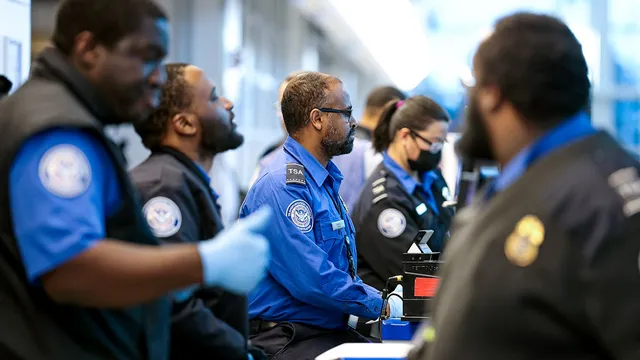
Senate Democrats block funding, pushing DHS shutdown into the second week
- Senate Democrats blocked the Republicans' funding proposal for the Department of Homeland Security, prolonging the government shutdown.
- The Trump administration's negotiations with Senate Democrats have stalled, affecting security preparations for major events.
- The deadlock has significant implications for national security as funding for disaster response and other vital services remains frozen.
Story
In the United States, Senate Democrats have once again impeded the attempts by Republicans to secure funding for the Department of Homeland Security (DHS), extending the ongoing partial government shutdown into its 12th day. This decision was made during a largely partisan vote that marked the first legislative action since lawmakers returned from a recess. The Trump administration has faced criticism for failing to engage productively with Democrats, particularly regarding their proposals related to Immigration and Customs Enforcement (ICE). With both sides unable to reach a compromise as their negotiations stalled during the previous week, the government continues to operate without a clear path forward. The recent shutdown has particularly notable implications for national security, with vital funding for security measures tied to major events, such as the upcoming 2026 World Cup, currently caught in the political crossfire. Host cities across the U.S. require security funds that are dependent on DHS approval, which has been delayed due to the shutdown. Lawmakers have indicated that serious tensions have arisen amid rising criticism of how these funding issues could impact event safety and management. Compounding this issue, FEMA has stalled assistance for ongoing disaster responses and related public safety activities during this funding deadlock. Democrats expect the ongoing negotiations to resume, even as they critique the administration's handling of the matters at hand. Senate Minority Leader Chuck Schumer has expressed frustration over what he perceives as a lack of responsiveness from the Trump administration regarding the reform proposals necessary for a bipartisan agreement. Allegations from both sides have emerged, with Democrats accusing Republicans of compromising security preparedness for political leverage. Meanwhile, Republicans are placing the blame back on Democrats for demanding ICE reforms that have complicated the funding process. As the negotiations drag on, cities are becoming increasingly anxious about the delays in securing necessary federal support. This uncertainty inhibits them from committing to contracts or procurement related to equipment and services needed for the World Cup. With budget preparations already in place based on receiving adequate funds, the risk of delayed implementation looms large. All of these events signal a political climate where shifting blame and partisan disagreements continue to hinder the effective governance and operational readiness of government agencies responsible for public safety events.
