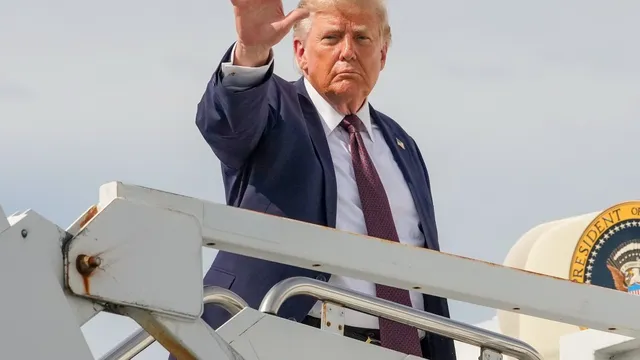
The relationship between NATO and former President Donald Trump has been characterized by significant tensions, particularly during his administration from 2017 to 2021. Trump's approach to NATO was marked by a critical stance towards the alliance, which he often described as outdated and unfair to the United States. He frequently criticized member countries for not meeting their defense spending commitments, which he argued placed an undue burden on the U.S. military. This rhetoric raised concerns among NATO allies about the future of the alliance and the U.S. commitment to collective defense, a cornerstone of NATO's founding principles. Trump's insistence on increased defense spending from European allies was seen as a departure from the traditional U.S. approach, which had generally emphasized diplomatic engagement and collective security over financial contributions alone.
The tensions escalated during NATO summits, where Trump's confrontational style and public criticisms of allies created an atmosphere of uncertainty. His comments often overshadowed the discussions on critical security issues, such as countering Russian aggression and addressing global terrorism. The 2018 NATO summit in Brussels was particularly notable, as Trump publicly admonished member states for their defense spending levels, leading to a rare public rebuke from other leaders who defended the alliance's value and collective security commitments. This public discord raised questions about the unity and effectiveness of NATO in addressing emerging security challenges.
In addition to financial concerns, Trump's foreign policy approach, which emphasized bilateral agreements over multilateral cooperation, further strained NATO relations. His administration's withdrawal from key international agreements, such as the Paris Climate Accord and the Iran nuclear deal, was viewed with skepticism by NATO allies who valued multilateralism as a means to address global security threats. The unpredictability of Trump's foreign policy decisions led to a reevaluation of NATO's strategic priorities and the need for member states to enhance their own defense capabilities independently of U.S. support. This shift in dynamics prompted discussions among European nations about increasing their military readiness and fostering greater defense cooperation within the EU.
As of June 2026, the legacy of Trump's presidency continues to influence NATO's strategic landscape. The alliance has sought to reaffirm its commitment to collective defense while addressing the concerns raised during his tenure. The ongoing geopolitical challenges, including Russia's actions in Eastern Europe and the rise of China, have necessitated a united front among NATO members. The tensions experienced during Trump's administration have prompted a renewed focus on strengthening transatlantic ties and ensuring that all member states meet their defense obligations. Moving forward, NATO's ability to adapt to the evolving security environment while maintaining cohesion among its members will be crucial in addressing both traditional and emerging threats.