

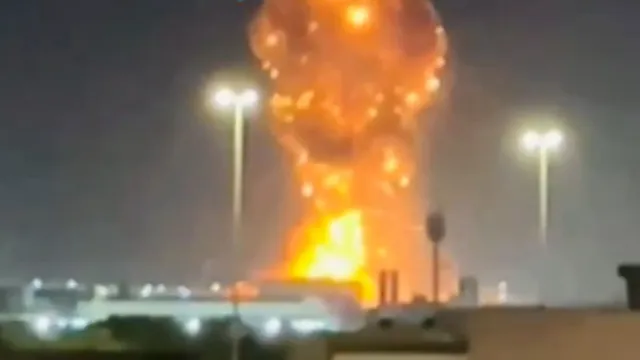
Iran attacks energy targets amid escalating conflict
Iran attacks energy targets amid escalating conflict
- Iran has targeted energy installations in Saudi Arabia, Qatar, Kuwait, and Israel, causing extensive damage.
- The attacks are considered a response to military aggression from Israel, particularly against Iranian assets.
- Continued escalation could lead to substantial disruptions in the global economy and energy market.
Story
In a significant escalation of hostilities, Iran has conducted a series of missile strikes against energy targets in the region, notably impacting facilities in Saudi Arabia, Qatar, Kuwait, and Israel. One of the most damaging attacks occurred at the Ras Laffan gas plant in Qatar, which is reported to have caused an estimated $26 billion in damage and may take years to repair. This aggressive action appears to be a response to what Iran perceives as ongoing military aggression from Israel, including recent airstrikes on Iranian gas facilities. The repercussions of these attacks are likely to affect global energy supplies, as they restrict the flow of liquid natural gas to market, leading to significant price hikes. European gas prices have already surged by 30%, and experts are warning that if this cycle of retaliation continues, the energy market could face even more severe disruptions. The consequences may extend beyond immediate economics to include heightened geopolitical tensions in the Middle East, complicating international relationships. In light of these developments, U.S. President Donald Trump is reportedly considering deploying troops to secure the strategically crucial Strait of Hormuz. This area is essential for global oil shipments, and Iran's aggressive military capability poses significant risks to energy installations throughout the Gulf region. Moreover, key diplomats, such as Esmail Baghaei from Iran, have indicated that their country will not exercise restraint under perceived military threats, categorizing recent attacks as acts of terrorism and aggression against Iran's sovereignty. If Iran can sustain its missile capabilities, the potential for further conflict looms large, with analysts likening the situation to a fragile environment fraught with volatility. Experts fear that the continued targeting of energy infrastructure could result in unprecedented economic fallout, affecting not only the parties involved but also consumers and economies worldwide. The progression of events indicates an increasingly unstable situation that demands urgent attention from global leaders to avoid a protracted and damaging conflict.


