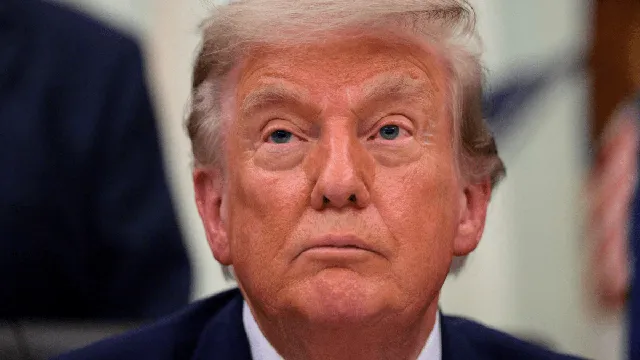
In the United States, recent polling indicates a significant decline in President Donald Trump's approval ratings among independent voters. As of late July 2026, two separate polls revealed alarming figures for Trump, with CNN/SSRS reporting a net approval rating of minus 52 and The Economist/YouGov showing a record low of minus 53 among independents. This trend is particularly concerning as it coincides with Democrats achieving one of their strongest showings in the generic ballot for the upcoming 2026 elections. The CNN/SSRS poll, conducted from July 23 to 27, found that only 24 percent of independents approved of Trump, while a staggering 76 percent disapproved. Similarly, The Economist/YouGov poll conducted from July 25 to 27 indicated that Trump's approval among independents had dropped to 19 percent, with 72 percent disapproving. These figures represent the lowest levels of support Trump has received from this crucial demographic during his second term. The overall national approval rating for Trump also reflects this decline, with a record-low net job approval of minus 28. The trend among independent voters has been consistently downward, with previous polls showing Trump at minus 35 in July 2025, minus 44 in October, and continuing to decline through 2026. This pattern suggests that the discontent among independents is not a fleeting issue but rather a persistent problem for the Trump administration. The implications of these approval ratings are significant, especially considering historical data that indicates presidents with approval ratings below 50 percent typically face substantial losses in the House of Representatives. Gallup research has shown that presidents with low approval ratings can expect to lose an average of 37 House seats, compared to only 14 seats for those with higher approval ratings. As the Democrats lead the generic ballot by 11 points, with 53 percent support compared to 42 percent for Republicans, the pressure on Republicans in suburban and swing districts is likely to increase. If Trump continues to struggle with independent voters while Democrats maintain their lead, the Republican Party may face serious challenges in the upcoming elections.