

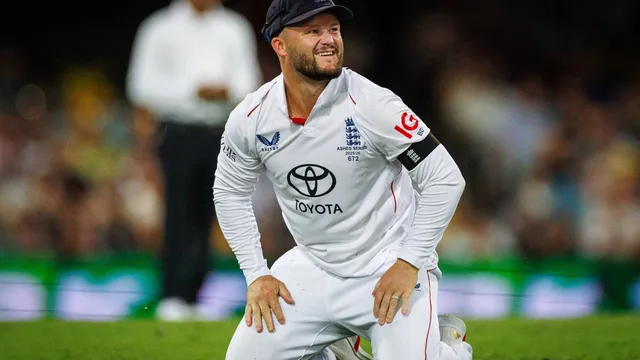
ECB investigates Ben Duckett's alleged drunken behavior during Ashes tour
ECB investigates Ben Duckett's alleged drunken behavior during Ashes tour
- A video showing England cricketer Ben Duckett appeared to show him intoxicated, sparking an investigation.
- Rob Key, the managing director of men's cricket, expressed concern over reports of excessive drinking among the team during their Noosa trip.
- The ECB is committed to investigating the players' behavior to ensure proper conduct during international competition.
Story
In December 2025, the England cricket team, during their Ashes tour in Australia, faced scrutiny over their conduct after a video surfaced appearing to show opener Ben Duckett intoxicated. This incident occurred during a planned break for the players in Noosa, which was intended to help them relax between matches. However, reports indicated that this getaway turned into what some described as a 'stag do', with allegations of excessive drinking among the squad. The England and Wales Cricket Board (ECB) acknowledged the situation and pledged to investigate the matter further. Rob Key, the managing director of men's cricket for the ECB, expressed his concern about the players’ drinking habits. Despite acknowledging that players are often under intense scrutiny, Key maintained that excessive drinking during international tours is unacceptable. He reiterated that the circumstances surrounding the players’ behavior would be thoroughly evaluated, stating that the reports of wild drinking sessions would not be overlooked. Preparations for this vital Ashes series have been marred by criticism, as England suffered a humiliating defeat, losing three consecutive tests in just 11 days. The Noosa trip, originally seen as a chance for the team to recharge, instead led to questions regarding professionalism and conduct. England's managing director noted that while he understood the need for players to unwind from the pressures of competition, he would not condone behavior that resembles a party atmosphere while on tour. Additionally, this incident was not isolated, with previous reports indicating instances of players drinking late into the night leading up to matches. The latest situation follows a pattern that raised alarms within the ECB, prompting Rob Key to acknowledge that a formal inquiry was necessary to uphold the standards expected of the players. As the investigation unfolds, the consequences for the team dynamics and future conduct among players remain uncertain.
Context
The drinking culture within sports teams has been a significant area of study, illuminating the ways in which alcohol consumption impacts team dynamics, performance, and overall health. Alcohol consumption is often rooted in ceremonial aspects of sports culture, such as celebrations after victories or bonding exercises among team members. This willingness to partake in drinking can sometimes escalate into excessive behaviors, which may detrimentally affect athletes physically and mentally. The normalization of drinking among teammates may create an environment where heavy drinking is seen as a rite of passage or a measure of camaraderie, complicating efforts to promote healthier lifestyle choices. Consequently, the implications for both the individuals and the team as a cohesive unit can be profound, influencing not only individual health but also team morale and performance levels. The relationship between drinking culture and athletic performance is further exacerbated by the potential for alcohol misuse. Research has shown that consumption of alcohol, especially in high volumes, can lead to a range of negative outcomes, including decreased physical performance, increased risk of injuries, and hindered recovery processes. Athletes may find themselves in a paradox where social acceptance of drinking conflicts with their performance goals. In some cases, this conflict can lead to increased stress and anxiety, potentially resulting in a decline in mental health. Moreover, the presence of alcohol in sporting environments can impact young athletes particularly severely as they may absorb behaviors modeled by their older counterparts, perpetuating a cycle of alcohol permissiveness that can last well into their professional careers. The ramifications of drinking culture extend beyond the immediate repercussions felt by individual athletes to potentially tarnish the reputation of entire teams or sports organizations. Incidents revolving around alcohol consumption, whether it be a public altercation or tarnishing of personal images, can overshadow athletic achievements and lead to disciplinary actions by sports governing bodies. The association of a team with negative drinking culture can also deter sponsors and fans, directly influencing financial support and future opportunities for the athletes involved. Consequently, as awareness of these issues increases, there is an increasing call within sports organizations for comprehensive education programs addressing responsible drinking. Teams are being encouraged to implement policies that provide resources for moderation and emphasize a culture of respect for athletes' health and well-being. In conclusion, while the social aspects of drinking culture can create bonds among athletes and foster team spirit, the potential negative consequences on health, performance, and team reputation cannot be overlooked. To shift the narrative around drinking in sports, it is critical for athletes, coaches, and organizations to promote a culture that prioritizes health and well-being over unhealthy drinking practices. Only through a collective effort can the damaging impacts of drinking culture be mitigated, ensuring that teams can thrive both on and off the field.


