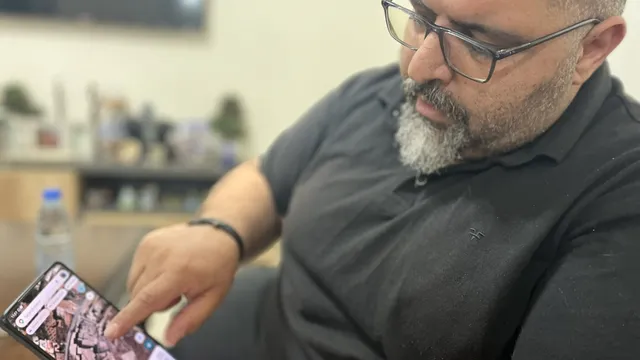
Residents buy satellite images to check homes after destruction in Lebanon
military conflicts
tragic

Residents buy satellite images to check homes after destruction in Lebanon

11
(Update: )
country in Western Asia
sovereign state in Western Asia
  • In March 2026, Israel launched airstrikes in southern Lebanon, displacing many residents and destroying homes.
  • Residents of Yaroun are purchasing satellite images to check the status of their properties.
  • The ongoing conflict has left many families grieving the loss of their homes and community landmarks.
Share opinion
1

Story

In Lebanon, the ongoing conflict has led to significant destruction in various villages, particularly in the southern region. Following renewed fighting in March 2026, Israel conducted airstrikes that displaced hundreds of thousands of residents and destroyed numerous homes and landmarks. The village of Yaroun, once a thriving community, has seen its infrastructure severely damaged, with reports of churches, mosques, and other significant buildings being reduced to rubble. Many residents, including those living abroad, are deeply affected by the loss of their homes and are seeking ways to assess the damage. Mazen Farah, a resident of Yaroun, has turned to commercial satellite images to determine the fate of his family home. He discovered that his father's two-story house, built after years of hard work, has been destroyed. This sentiment is echoed by other displaced individuals who are pooling resources to purchase satellite imagery, allowing them to see the current state of their properties from afar. The emotional toll of witnessing the destruction of their homes is profound, with many expressing grief and despair over the loss. The situation is particularly dire for elderly residents who may never return to their homes. Qasem Fares, who lives in Panama, lamented the destruction of his 12-bedroom house in Bint Jbeil, expressing sorrow over the loss of a place filled with memories. The ongoing conflict has not only displaced families but has also severed the ties that bind them to their homeland. The historical context of the Israeli occupation of southern Lebanon, which lasted nearly two decades, adds another layer of complexity to the current situation. As the conflict continues, the residents of Yaroun and surrounding areas are left to grapple with the aftermath of destruction and displacement. The use of satellite imagery represents a modern approach to assessing damage, but it also highlights the deep emotional scars left by war. The plight of these individuals serves as a reminder of the long-lasting impact of conflict on communities and the struggle to maintain a connection to their roots amidst devastation.

Context

The history of Israeli occupation in southern Lebanon is a complex narrative that intertwines military, political, and social dimensions. The roots of this occupation can be traced back to the 1970s, particularly during the Lebanese Civil War, which began in 1975. Israel's involvement in Lebanon escalated in 1978 with Operation Litani, aimed at pushing Palestinian armed groups away from its northern border. This operation resulted in the establishment of a security zone in southern Lebanon, which was intended to protect Israel from cross-border attacks. However, the situation remained volatile, leading to further military interventions by Israel in the region. In 1982, Israel launched a full-scale invasion of Lebanon, known as Operation Peace for Galilee, with the stated goal of eradicating the Palestine Liberation Organization (PLO) from Lebanon. This invasion led to the occupation of Beirut and significant territorial gains in southern Lebanon. The Israeli Defense Forces (IDF) established a prolonged military presence in the region, which was met with resistance from various Lebanese factions, including Hezbollah, a Shiite militant group that emerged in response to the Israeli occupation. The conflict intensified, leading to a protracted struggle between Israeli forces and Lebanese resistance groups. Throughout the 1980s and 1990s, the Israeli occupation faced increasing opposition, particularly from Hezbollah, which gained popular support among the Lebanese population. The group employed guerrilla tactics and launched attacks against Israeli forces, leading to significant casualties on both sides. The occupation was characterized by a heavy military presence, frequent clashes, and a humanitarian crisis for the local population. The situation was further complicated by regional dynamics, including the involvement of Syria and Iran, which supported Hezbollah in its fight against Israel. The Israeli occupation of southern Lebanon officially ended in May 2000, following a unilateral withdrawal by Israeli forces. This withdrawal was a significant victory for Hezbollah, which claimed it as a triumph over a foreign occupier. However, the legacy of the occupation continues to affect Lebanese society and politics, as well as Israeli-Lebanese relations. The region remains a flashpoint for conflict, with ongoing tensions and periodic escalations. The history of Israeli occupation in southern Lebanon serves as a reminder of the complexities of regional conflicts and the enduring impact of military interventions on local populations.