

Indonesia increases nickel supply dominance amidst US-China competition
Indonesia increases nickel supply dominance amidst US-China competition
- Indonesia's share of global nickel supply increased significantly, reaching 60% by 2024.
- The government intensified crackdowns on illegal mining practices and resource exploitation.
- These developments may shift power dynamics in the global nickel market amid U.S.-China competition.
Story
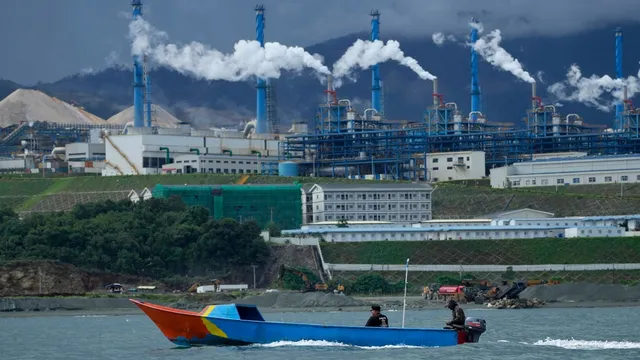
Indonesia has taken significant steps to tighten state control over its nickel industry, which plays a crucial role in the global supply of this vital mineral. As of 2024, the country holds around 60% of the world's nickel supply, a substantial increase from 31.5% in 2020. This shift was fueled by former President Joko Widodo's ban on raw ore exports and a surge of investment in refining operations, particularly from China. However, as global demand for nickel evolves, concerns have risen regarding environmental impacts and illegal exploitation in the mining sector. In 2025, the Indonesian government intensified its crackdown on illegal resource exploitation, citing widespread bribery and improperly approved licenses in the mining and plantation sectors. Authorities have seized more than 4 million hectares of mines and plantations, imposed fines totaling $1.7 billion, and anticipate further seizures in the near future. The majority of the country's nickel reserves are concentrated on Sulawesi Island, which is responsible for over half of global nickel mine production according to the Institute for Energy Economics and Financial Analysis. The focus on developing a domestic electric vehicle (EV) industry based on nickel appears to be faltering. Initial investment interest from South Korea and China has diminished, with major companies like LG Energy Solution withdrawing from significant planned investments. Meanwhile, Chinese automakers are still progressing with their projects in the region, such as BYD’s ongoing EV plant construction and CATL's battery factory venture. Despite these efforts, the limited charging infrastructure in Indonesia—with only around 1,500 charging stations by 2024—poses a challenge to achieving a thriving EV market. As Indonesia aims to assert its control over nickel resources, the nationalization efforts may alter the dynamics within the global supply chain. Analysts suggest that these moves could reduce dependency on Chinese influence and enhance opportunities to engage with U.S. buyers and investors. Nonetheless, the aggressive land seizures and administrative actions raise concerns about the long-term stability of the nickel industry and its environmental ramifications, suggesting possible repercussions for both the economy and ecological sustainability in the region.


