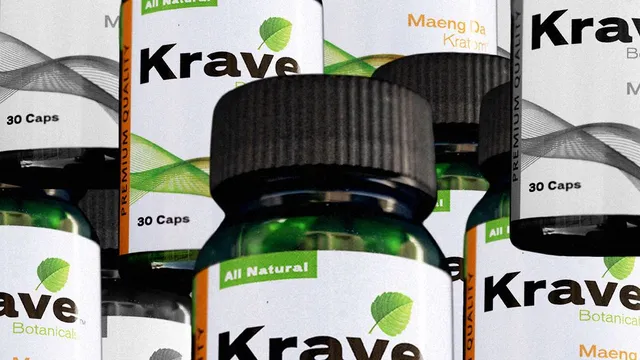
In the United States, the Drug Enforcement Administration (DEA) is set to impose a temporary ban on 7-OH, a potent compound derived from kratom, starting August 5, 2026. This decision follows growing concerns about the substance's potential for abuse and the severe withdrawal symptoms experienced by users. Many individuals, like a 36-year-old resident from upstate New York, have reported that 7-OH has significantly alleviated their chronic pain and anxiety, allowing them to engage in daily activities that were previously difficult due to their conditions. However, the DEA's action comes amid a broader debate within the kratom industry regarding the classification of 7-OH, with some arguing that it should not be categorized with kratom due to its heightened potency. As the ban approaches, users are expressing anxiety about the potential return to street opioids, which could lead to an increase in overdose deaths. The situation is further complicated by the fact that many users have developed a dependency on 7-OH, with some reporting financial struggles due to escalating tolerance and the need for higher doses. The impending ban has sparked fears that individuals who rely on 7-OH for pain management may be left without safe alternatives, potentially exacerbating the ongoing opioid crisis in the country. The DEA's decision reflects a growing concern over the unregulated use of dietary supplements for self-medication, highlighting the need for more comprehensive regulations and support for individuals dealing with chronic pain.