

America faces a skilled trades workforce crisis amid rapid retirements
America faces a skilled trades workforce crisis amid rapid retirements
- The U.S. skilled trades workforce is aging quickly, with over 1 in 5 construction workers over the age of 55.
- The retirement-to-replacement ratio in skilled trades sectors highlights a significant supply-demand imbalance.
- Addressing the shortage of skilled trades workers is crucial for supporting emerging industries, including AI infrastructure.
Story
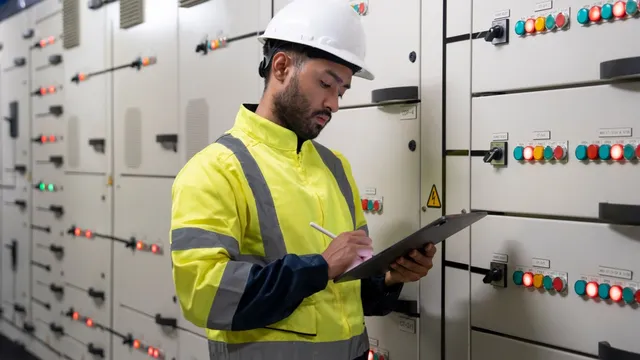
In the United States, a significant demographic shift is occurring within the skilled trades workforce, as workers age and approach retirement. Reports indicate that more than 1 in 5 construction workers are currently over the age of 55, while approximately 39% of electricians are 45 or older, raising alarms about a looming workforce shortage. The skilled trades sector, which includes electricians, HVAC technicians, plumbers, and pipefitters, is projected to face an acute supply-demand imbalance as the current workforce retires faster than it can be replenished. Meanwhile, various industries that depend on this workforce, including the rapidly growing sectors associated with artificial intelligence and infrastructure development, are starting to notice the ramifications of this shortage. Ford CEO Jim Farley has warned that American ambitions in AI are colliding with a labor shortage that poses the risk of massive increases in blue-collar salaries as demand outweighs supply. There is a pressing need for skilled trades as they are foundational to numerous high-growth sectors of the economy, with many executives calling for a shift in public perception regarding the value and prestige of blue-collar work. This trend is particularly noticeable among younger generations, with many in Generation Z reconsidering the necessity of pursuing a four-year degree in favor of vocational training and trade skills that promise good salaries. Companies like Google are taking action by investing in workforce development programs to address the skills gap in these critical trades, further emphasizing their importance in supporting new tech and infrastructure initiatives.


