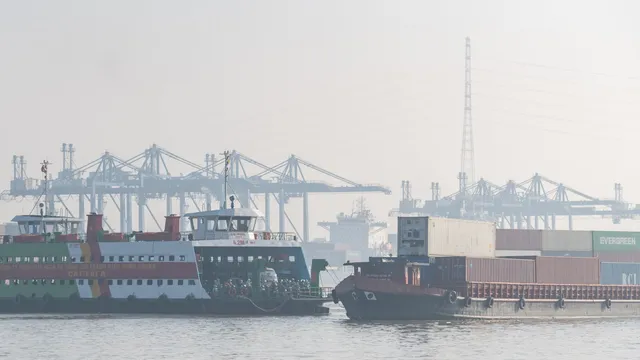
The South China Sea is a critical maritime region that has become increasingly contentious due to overlapping territorial claims, strategic military interests, and vital shipping routes. This area is not only rich in natural resources, including oil and gas reserves, but also serves as a major conduit for global trade, with a significant percentage of the world's maritime traffic passing through its waters. The ongoing disputes among China, Vietnam, the Philippines, Malaysia, Brunei, and Taiwan have led to heightened tensions, with incidents of confrontations at sea becoming more frequent. The implications of these maritime safety issues extend beyond regional stability, affecting international shipping and global economic security.
Maritime safety in the South China Sea is compromised by various factors, including illegal fishing, environmental degradation, and the militarization of disputed islands. The presence of military assets from multiple nations raises the risk of accidental encounters and escalations. Moreover, the lack of a comprehensive framework for maritime governance exacerbates these challenges, as existing agreements are often insufficient to address the complexities of the disputes. The potential for miscommunication and miscalculation among naval forces operating in close proximity is a significant concern, highlighting the need for improved communication channels and confidence-building measures among the involved parties.
Efforts to enhance maritime safety in the South China Sea have included multilateral dialogues and initiatives aimed at fostering cooperation among claimant states. The Association of Southeast Asian Nations (ASEAN) has played a pivotal role in promoting discussions on the Code of Conduct in the South China Sea, which seeks to establish guidelines for behavior and conflict resolution. However, progress has been slow, and the effectiveness of these initiatives is often undermined by the divergent interests of the parties involved. The international community, including major powers like the United States, has also expressed concern over the situation, advocating for freedom of navigation and overflight in the region while emphasizing the importance of adhering to international law, particularly the United Nations Convention on the Law of the Sea (UNCLOS).
In conclusion, addressing maritime safety issues in the South China Sea requires a multifaceted approach that balances national interests with regional stability. It is essential for the involved nations to engage in constructive dialogue and to seek collaborative solutions that prioritize safety and security at sea. The establishment of clear communication mechanisms, adherence to international legal frameworks, and the promotion of cooperative maritime practices are crucial steps toward mitigating tensions and ensuring the safety of navigation in this vital maritime corridor.