

NASA orders astronauts to shelter as air leak worsens
NASA orders astronauts to shelter as air leak worsens
- NASA detected a worsening air leak in the Zvezda service module of the ISS.
- Five astronauts were instructed to shelter in the SpaceX Crew Dragon spacecraft as a precaution.
- The situation underscores ongoing concerns about the structural integrity of the ISS.
Story
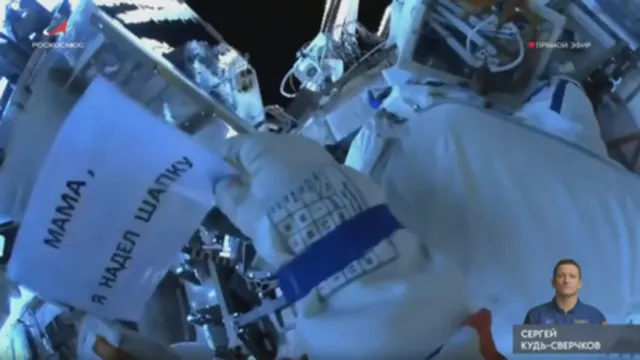
In recent days, a significant air leak was detected aboard the International Space Station (ISS), specifically in the Russian segment's Zvezda service module. This prompted NASA to instruct five of the seven astronauts on board to take shelter in the docked SpaceX Crew Dragon spacecraft, known as 'Freedom.' The astronauts were advised to don their spacesuits and prepare for a potential evacuation as Russian cosmonauts worked to repair the leak. The situation escalated after a slow pressure drop was observed following the docking of a Russian cargo ship, leading to increased urgency in addressing the leaks. The Zvezda service module has a history of cracks and leaks, which have been monitored closely by both NASA and Roscosmos, the Russian space agency. The cracks have persisted intermittently for approximately six years, raising concerns about the structural integrity of the module. As the Russian crew attempted to conduct repairs, NASA's mission control in Houston ordered the astronauts to assume a 'safe haven' posture, which is a precautionary measure taken during emergencies. This involved sealing the Crew Dragon spacecraft and keeping it ready for undocking if necessary. During the repair attempts, Russian cosmonauts Sergey Kud-Sverchkov and Sergei Mikaev were tasked with assessing the leaks and conducting repairs. However, the method they planned to use, which involved cutting into the module, raised safety concerns. Consequently, NASA decided to prioritize the safety of the crew by having them shelter in the Crew Dragon. After a brief period of heightened alert, the astronauts were later cleared to return to their normal operations aboard the ISS once the Russian team paused their repair efforts to gather more data. This incident highlights the ongoing challenges faced by the ISS crew, particularly regarding the aging infrastructure of the space station. The ISS has been continuously inhabited for over 25 years and serves as a critical platform for scientific research and international cooperation in space. Despite the recent air leak issues, both NASA and Roscosmos are committed to working together to ensure the safety of the crew and the integrity of the station as they continue to monitor and address the leaks.
Context
The history of air leaks in the International Space Station (ISS) is a critical aspect of its operational integrity and safety for astronauts aboard. Since its launch in 1998, the ISS has been a hub for scientific research and international collaboration in space. However, the station has faced several challenges, including air leaks that pose risks to the crew and the overall mission. These leaks can occur due to various reasons, including micrometeoroid impacts, wear and tear of materials, and manufacturing defects. Understanding the history of these incidents is essential for improving the design and maintenance of the ISS and ensuring the safety of its inhabitants. One of the earliest significant air leaks was detected in 2006, which prompted extensive investigations and repairs. The crew and ground control worked diligently to locate the source of the leak, which was eventually traced to a small hole in the Zvezda service module. This incident highlighted the importance of regular monitoring and maintenance of the station's integrity. Following this event, NASA and its international partners implemented more rigorous inspection protocols and developed advanced leak detection technologies to prevent future occurrences. In subsequent years, additional leaks were reported, including a notable incident in 2019 when a small air leak was discovered in the Soyuz MS-09 spacecraft docked to the ISS. This leak was particularly concerning as it required immediate attention to ensure the safety of the crew. The leak was successfully sealed, and the incident underscored the need for continuous vigilance and rapid response capabilities in the face of potential threats to the station's atmosphere. The collaborative efforts of international teams have been crucial in addressing these challenges, demonstrating the strength of partnerships in space exploration. As of 2026, the ISS continues to operate with a focus on maintaining a safe environment for astronauts. Ongoing research into materials and construction techniques aims to reduce the likelihood of air leaks in future space habitats. The lessons learned from the history of air leaks in the ISS are invaluable for the design of upcoming missions, including those aimed at returning humans to the Moon and eventually sending crewed missions to Mars. The commitment to safety and the proactive measures taken to address air leaks reflect the dedication of the global space community to protect human life in the challenging environment of space.


