

Rohingya refugees face starvation as aid cuts jeopardize survival
Rohingya refugees face starvation as aid cuts jeopardize survival
- Over 1.1 million Rohingya refugees have fled Myanmar to Bangladesh, largely residing in Cox's Bazar.
- Funding cuts from USAID have severely hampered aid distribution, decreasing food allocation to $8 per person monthly.
- If funding does not increase, refugees face the risk of starvation and collapse in essential services.
Story
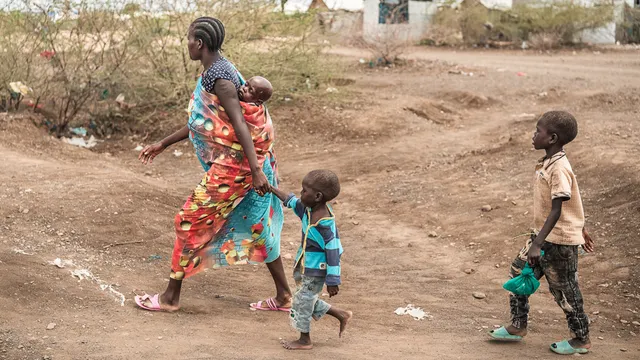
In Bangladesh, more than 1.1 million Rohingya refugees have fled from Myanmar due to violence and persecution, predominantly settling in the overcrowded camps of Cox's Bazar. Over the last 20 months, the number of new arrivals has surged by at least 150,000, marking the largest influx since 2017. The humanitarian crisis has been exacerbated in 2025 as funding from the United States Agency for International Development (USAID) has been significantly reduced, compromising the support that constituted approximately 55 percent of the previous humanitarian efforts in the region. The immediate ramifications of these funding cuts are stark, notably manifesting in the food budget for refugees. Under the current plans, the food budget allocated to each individual in the refugee camps is projected to decline to merely $8 per person per month. Many families, including those like Abdur Rashid’s, are already finding it increasingly difficult to secure enough food. Rashid has voiced his distress, explaining that the food provided for a month runs out within just 15 days, forcing his family to survive on minimal resources like lentils, salt, and rice, leading them to frequently sleep hungry. The lack of adequate funding has a cascading effect on various aspects of life in the camps. The health facilities that remain operational are running desperately low on essential medicines, further jeopardizing the health and well-being of the refugees. The number of newcomers continues to swell, as families fleeing from Myanmar find themselves squeezed into temporary and overcrowded shelters that offer very limited protection against the elements. Life in these makeshift homes is perilous, as they are not built to withstand harsh weather conditions and present significant risks during storms and cyclones. The significant rise in malnutrition rates, reported to be around 27 percent in early 2025 compared to the previous year, indicates a developing humanitarian disaster. With only 36 percent of the original targets for humanitarian response funding met halfway through the year, organizations are warning that the situation is deteriorating rapidly. Leaders from various humanitarian groups emphasize the urgent need for increased funding to avert a potential catastrophe where refugees could face starvation and complete deprivation of critical services if assistance is not secured immediately. Without a sustainable response plan and effective resource allocation, the livelihood of Rohingya refugees in Cox's Bazar hangs in a precarious balance.


