

Democrats claim victory in Arkansas special election
Democrats claim victory in Arkansas special election
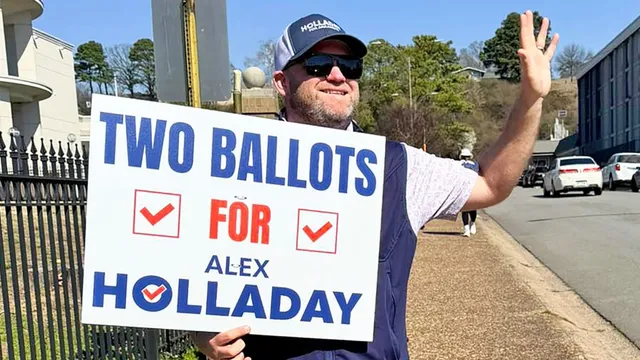
- Democrat Alex Holladay won a special election for Arkansas House District 70.
- This victory is part of a trend where Democrats have flipped nine Republican-held seats since Trump's second term started.
- The shifting political landscape could influence outcomes in the upcoming midterm elections.
Story
In early March 2026, in Arkansas, Democrat Alex Holladay achieved a significant victory by winning a special election for a state legislative seat. This election marked a key point in the ongoing political landscape as it was the ninth occasion in which Democrats have successfully flipped Republican-held seats since Donald Trump's second term began in January 2025. Holladay defeated Republican Bryan ‘Bo’ Renshaw, who had previously won the seat narrowly against Holladay in the 2024 election. This victory illustrates a growing trend for Democrats in special elections across various states, indicating a potential shift in voter sentiment. The background of the election underscores a wider national context where Democrats have made notable gains in multiple Republican-held districts. Not only did Holladay's win in Arkansas symbolize a shift in political fortunes, but it also added to Democrats’ total of 27 flipped Republican seats since the start of Trump's administration. Various states such as Iowa, Pennsylvania, Mississippi, Georgia, and Texas have also seen Democrats outperforming expectations in recent contests, with a marked increase in high-engagement voters within the Democratic coalition. This trend raises questions about the future of Republican electoral strategies and voter mobilization efforts, especially in non-presidential election years. Despite the robust Republican majority in the Arkansas legislature and the state’s historical lean towards the GOP, Holladay's victory was fueled by a change in voter priorities and dissatisfaction with the current Republican leadership. Holladay, a healthcare administrator, articulated that voters expressed a desire for change and greater accountability in leadership roles, a sentiment echoed through rural and suburban communities. His campaign was positioned around addressing local issues and proposing solutions that resonated with constituents tired of a one-party governance model. As the political environment heats up leading into the 2026 midterms, both parties are strategizing on ways to boost voter turnout. The Republican Party is facing challenges in engaging their voter base, especially as low-turnout habits among Trump supporters become evident in off-year elections. Even with the election results showing lower Republican turnout, strategists remain optimistic for the upcoming general election in November. The results from Holladay's successful campaign and similar Democratic wins nationwide signal a shifting landscape, making the forthcoming elections crucial for both parties as they prepare for intensified campaigning and voter outreach efforts.


