

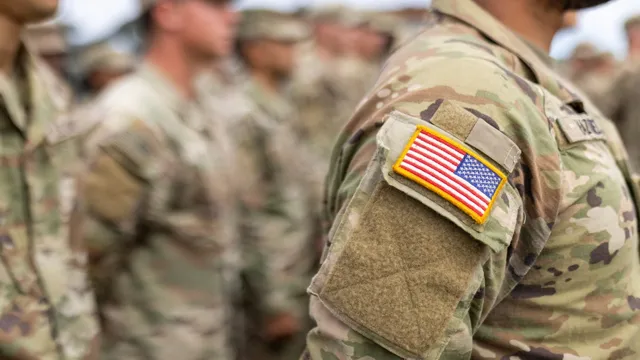
Us military deploys troops to aid nigeria against insurgency
Us military deploys troops to aid nigeria against insurgency
- The U.S. military has confirmed the deployment of a small team to Nigeria following discussions with its government.
- This team aims to increase collaboration and provide unique capabilities to combat local insurgent groups.
- The deployment reflects a significant step in U.S.-Nigeria relations amidst ongoing security challenges in the region.
Story
Nigeria has been facing a severe security crisis for over a decade, primarily driven by an insurgency led by Boko Haram and its breakaway faction, Islamic State West Africa Province (ISWAP). The situation has worsened in recent months, prompting the Nigerian government to seek international assistance. In a significant development on February 3, 2026, the head of the U.S. military command for Africa, General Dagvin R.M. Anderson, announced that the United States had deployed a small team of troops to Nigeria. This marked the first acknowledgment of U.S. military presence on the ground since airstrikes were conducted against Islamic State targets in Nigeria on Christmas Day 2025. The U.S. deployment follows discussions between the American and Nigerian governments, where Nigerian officials expressed their need for
Context
Boko Haram, officially known as Jamā'at Ahl as-Sunnah lid-Da'wah wa'l-Jihād, has been a significant and violent extremist group operating in northeastern Nigeria since its emergence in the early 2000s. The group, initially focused on opposing Western education and promoting a strict interpretation of Islam, has evolved into a violent insurgency responsible for thousands of deaths, displacement of millions, and significant humanitarian crises. The conflict has not only affected Nigeria but has spilled over into neighboring countries, exacerbating regional instability and contributing to a broader security crisis in West Africa. Counterinsurgency efforts by the Nigerian military, alongside regional forces, have aimed to dismantle Boko Haram's capabilities, but the group has shown resilience through guerilla tactics, bombings, and targeted attacks against security forces and civilians alike. In recent years, there have been reports of the fragmentation of Boko Haram into two main factions: the original faction led by Abubakar Shekau and a splinter group that has pledged allegiance to the Islamic State, known as the Islamic State West Africa Province (ISWAP). This division has led to differing operational strategies and target selections, with ISWAP tending to focus on military targets and administrative control in regions where it operates while generating significant territorial gains. The Nigerian government and regional forces have conducted various military operations against both factions, resulting in losses for Boko Haram; however, these efforts have also led to a prolonged cycle of violence, further complicating the overall security situation. Despite ongoing military efforts, Boko Haram continues to wield influence in some areas, exploiting socioeconomic grievances and underdevelopment, particularly in the northeastern states of Borno, Adamawa, and Yobe. The group capitalizes on the lack of governmental authority and provision of basic services, providing some level of governance in the areas it controls. The humanitarian impact of the conflict is profound, with millions of internally displaced persons (IDPs), widespread food insecurity, and restricted access to education and healthcare for vulnerable populations. The region has faced acute humanitarian crises, with overcrowded IDP camps exacerbated by limited resources and ongoing violence. To address the challenges posed by Boko Haram, a multi-faceted approach that goes beyond military solutions is essential. This includes addressing underlying socioeconomic issues, improving governance, and reintegrating former combatants into the society. Furthermore, international cooperation is crucial for enhancing counter-terrorism efforts, sharing intelligence, and mobilizing humanitarian aid. Ultimately, the resolution of the Boko Haram crisis will require sustained commitment from both the Nigerian government and the international community to foster stability, ensure the protection of civilians, and rebuild affected communities.


