

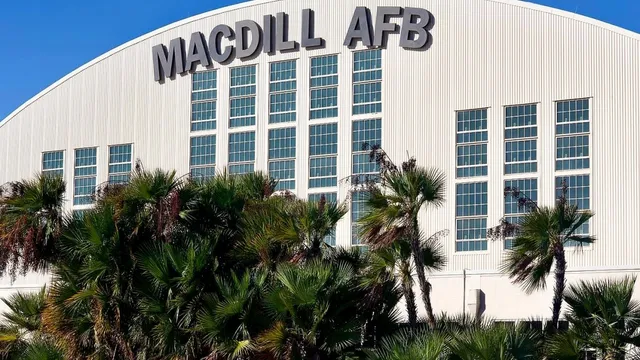
FBI investigates suspicious package containing possible explosive device at MacDill AFB
FBI investigates suspicious package containing possible explosive device at MacDill AFB
- A suspicious package containing what appeared to be an improvised explosive device was found at the visitor center of MacDill Air Force Base on March 16, 2026.
- The FBI's initial analysis indicated the presence of possible energetic materials, prompting heightened security measures at the base.
- Military officials elevated the base's security to FPCON Charlie and issued a temporary shelter-in-place order, demonstrating a serious threat response.
Story
In the United States, a suspicious package was discovered outside the MacDill Air Force Base visitor center in Florida on March 16, 2026. The package appeared to contain an improvised explosive device, raising immediate concerns among military and law enforcement personnel. As a precautionary measure, the FBI commenced an investigation and conducted field screenings to determine the nature of the contents, which indicated the presence of possible energetic materials. However, the FBI has yet to complete its final analysis and has not shared detailed information regarding the package's composition. Following the discovery of the suspicious package, military officials elevated the threat level at MacDill Air Force Base to FPCON Charlie, the second-highest Force Protection Condition level. This designation suggests the base is responding to a credible threat, prompting heightened security measures to ensure the safety of personnel and operations at the installation. In response to a further threat that emerged on March 17, 2026, a shelter-in-place order was issued for the base. This order mandated that personnel take cover in their locations to mitigate any possible risk while investigations were ongoing. The shelter-in-place status was later lifted a few hours after the threat was assessed and deemed clear, allowing for the resumption of normal operations under FPCON Charlie. Base officials expressed gratitude for the cooperation and patience of personnel during the heightened alert. They reiterated their commitment to prioritizing the safety and security of the base, its mission, and its people and confirmed that any threats are treated with the utmost seriousness. MacDill Air Force Base plays a critical role in military operations, serving as the command hub for the U.S. Central Command, which coordinates military activities in the Middle East, as well as the Special Operations Command. It also gained attention recently due to the tragic loss of three airmen from the base who were involved in a military refueling plane crash in Iraq. With national security always a priority, incidents such as this raise important questions about vigilance and preparedness in the face of potential threats.
Context
FPCON levels, or Force Protection Condition levels, are a system utilized by the United States Department of Defense (DoD) to provide a standardized approach for determining the appropriate level of security and protection measures necessary in response to a threat situation. The purpose of FPCON levels is to enhance the security posture of military installations, personnel, and associated infrastructure by creating a responsive framework for threats that might arise, particularly those related to terrorism or other malicious acts. Understanding these levels is crucial for maintaining operational readiness and ensuring the safety of military and civilian populations alike. FPCON levels are categorized into five distinct levels: Normal, Alpha, Bravo, Charlie, and Delta, each indicating a progressive increase in the perceived threat to personnel and installations. FPCON Normal indicates a general state of readiness without any significant threats anticipated. FPCON Alpha signals a potential threat that requires increased vigilance and standard security measures to be heightened. FPCON Bravo is enacted when there is a significant risk of a terrorist threat, demanding security personnel to implement additional countermeasures such as increased patrolling and inspections. In turn, FPCON Charlie is utilized when an incident occurs or intelligence indicates that a terrorist action is imminent, leading to further security enhancements and heightened precautions. Finally, FPCON Delta represents the highest state of alert, signifying that a terrorist attack has occurred or that there is a specific and credible threat posed to a particular location or installation. Under Delta, security measures are maximally tightened, and personnel may be restricted in movement to protect critical assets and ensure safety. Each level of FPCON is designed to be adaptable to real-time conditions, allowing military and security personnel to respond rapidly to fluid and changing threat landscapes. These levels facilitate clear communication and guideline adherence among Defense and security personnel. In conclusion, FPCON levels are an essential framework within the U.S. military and defense operations, providing a clear and systematic approach to evaluating and responding to threats against personnel, installations, and operations. By understanding these levels, military and civilian personnel can better prepare for varying conditions of threat, ensuring that they are equipped with the necessary protocols and responses to maintain safety and security in an increasingly complex global landscape. A robust implementation of these levels not only protects military assets but also serves to reassure the public and allied entities of a dedicated commitment to safety and readiness in the face of uncertainty.


