

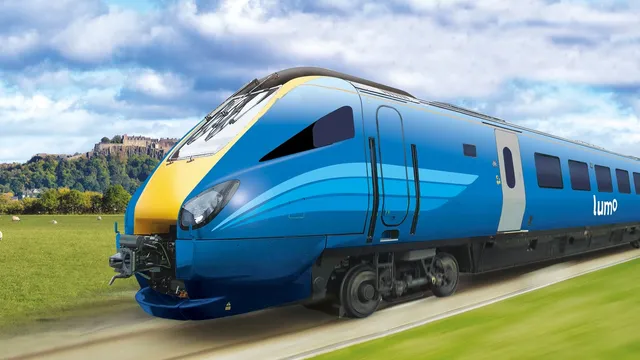
Lumo forced to switch to diesel trains amid power shortage crisis
Lumo forced to switch to diesel trains amid power shortage crisis
- Lumo will begin operating a new route between Stirling and London Euston in May 2026.
- Due to power shortages on the West Coast Main Line, Lumo is compelled to use diesel trains temporarily.
- The company aims to transition to electric-battery hybrid trains in the future to enhance sustainability.
Story
In the UK, an energy shortage has led to significant operational challenges for the railway operator Lumo. The company, known for its all-electric rail service, has found it necessary to run diesel trains on its newly introduced service connecting Stirling to London Euston due to insufficient power availability on the West Coast Main Line (WCML). Scheduled to launch in May 2026, this route aims to offer connections between Glasgow, Edinburgh, and London, providing an alternative to existing operators such as Avanti West Coast, TransPennine Express, and LNER. The energy supply issues have been predominantly felt around key areas like Crewe and Acton in London. This shortage has not only affected Lumo but has also constrained other freight operators on the Glasgow to London line, impeding their ability to transition to more environmentally friendly electric locomotives. Lumo's operational adjustments necessitate the use of five refurbished Class 222 trains initially, equipped with systems aimed at minimizing fuel consumption. In aspirations to overcome these challenges, a Lumo spokesperson shared that the operator is looking towards the future with plans to introduce electric-battery hybrid trains. The ongoing power constraints on the WCML have been acknowledged by Network Rail, highlighting the difficulties in providing adequate power to sustain Lumo's electric services. The spokesperson underlined the company's commitment to maintaining rail travel as a sustainable transport option compared to air and road travel. As Lumo prepares for its new route's launch, they emphasize the potential impact of their services on local economies, intending to enhance connectivity between Scottish and English regions. With plans to operate five trains a day and stop at various stations along the route, the emphasis remains on the importance of sustainability and environmental friendliness as a fundamental aspect of rail travel amidst growing challenges.


