

Fox Sports sparks outrage by airing crucial WBC game on Tubi
Fox Sports sparks outrage by airing crucial WBC game on Tubi
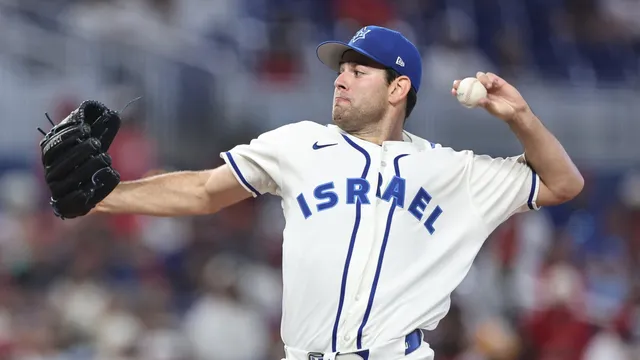
- Israel's men's baseball team faced elimination from the World Baseball Classic after a loss to the Dominican Republic.
- Fox Sports' tweet announcing the elimination was criticized for its timing amidst ongoing tensions in the Middle East.
- The decision to broadcast a key game on Tubi instead of mainstream channels has angered many baseball fans.
Story
In March 2023, the Israeli men’s national baseball team was eliminated from the World Baseball Classic (WBC) after a 10-1 defeat to the Dominican Republic. The loss marked a significant moment for the team, which has previously participated in the tournament and aimed to advance further. The elimination tweet from Fox Sports, detailing Israel's exit, drew criticism on social media given the ongoing conflict in the Middle East, raising questions about the insensitivity of the timing. Commentators joked about the tweet, with some suggesting that Fox Sports should have been more mindful of the current global climate. Meanwhile, Fox faced another wave of outrage over its decision to air the Dominican Republic versus Venezuela game on Tubi, rather than a more mainstream platform like its main channel or Fox Sports 1. Sports fans expressed frustration on social media, calling the move a disgraceful programming decision. They argued that the game was one of the most anticipated matchups of the tournament, featuring prominent players who could showcase their skills on a larger stage. The backlash was amplified by concerns that without access to traditional broadcasting options, many viewers in the United States might miss out on the excitement of such an important matchup. This controversy has highlighted the dissatisfaction with Fox's broadcasting decisions during a crucial tournament and raised questions about the way sports coverage is evolving as more content is shifted to streaming platforms.
Context
The impact of social media criticism on sports broadcasting has been profound and far-reaching, reshaping the landscape of how sports are covered and consumed. With the prevalence of platforms like Twitter, Instagram, and Facebook, the immediacy of audience feedback has made it necessary for broadcasters to remain acutely aware of public sentiment. This constant scrutiny means that broadcasters must not only deliver timely and accurate information but also navigate the often volatile opinions and reactions of fans who take to social media to voice their support or condemnation. Broadcasters who fail to engage with social media criticism risk alienating their audience and facing backlash that can escalate quickly in the digital environment. Furthermore, the influence of social media extends to the content that broadcasters choose to highlight, as they often find themselves responding to trending discussions and viral moments that may not align with traditional sports reporting. The need to attract and retain viewers drives broadcasters to adapt their programming to include real-time reactions, interactive discussions, and even direct integration of social media posts in their broadcasts. This shift represents a significant departure from the traditional, one-way communication model of sports journalism, instead fostering a more participatory environment where fans feel empowered to share their opinions and engage with the content in a more meaningful way. Moreover, the consequences of social media criticism can have immediate operational impacts on broadcasting organizations. For instance, negative comments regarding a specific broadcast decision or a commentator's remarks can lead to rapid changes, including on-air apologies or adjustments in editorial focus. The ability to analyze audience reactions in real time allows broadcasters to pivot their strategies quickly, but this also places strain on production teams and commentators, who must remain agile in the face of online criticism. Ultimately, the challenge lies in balancing the need for authenticity and journalistic integrity with the pressures of audience demand and social media visibility. In conclusion, the integration of social media into sports broadcasting has created a dynamic environment where audience interaction and critical feedback are more pronounced than ever. As the lines between broadcasters and viewers continue to blur, those working in sports media must develop strategies that address social media criticism proactively and constructively. Moving forward, understanding the psychology of fan engagement and the implications of online discourse will be crucial for broadcasters aiming to thrive in this rapidly evolving digital landscape.


