
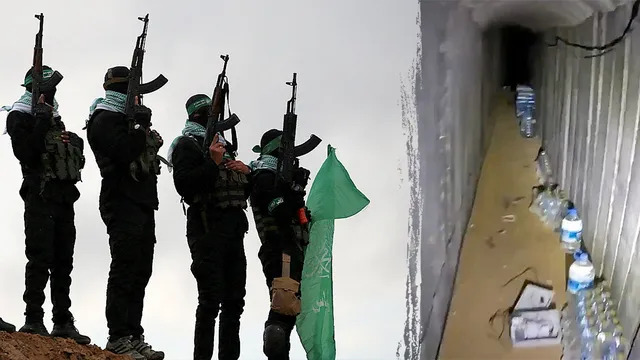
IDF uncovers extensive Hamas tunnel system beneath UN compound
- The IDF found a seven-kilometer long tunnel under a UN compound in Rafah, Gaza.
- House Speaker Mike Johnson champions a strong U.S.-Israel alliance and calls for the rejection of antisemitism.
- The discovery serves as a vital reminder of the ongoing security challenges and rising antisemitism.
Story
In recent developments, the Israel Defense Forces (IDF) uncovered a seven-kilometer-long Hamas tunnel located beneath a compound affiliated with the United Nations Relief and Works Agency (UNRWA) in Rafah, Gaza. This tunnel, measuring 25 meters deep, is reported to have contained 80 rooms used for various military purposes, including command and shelter. Israel asserts that this discovery represents a major strategic setback for Hamas, impacting their extensive network of underground passages that have facilitated militant activities. The revelation comes amid heightened tensions regarding Israel's operations in Gaza, where the IDF has been targeting Hamas infrastructure. As international bodies, including the UN, scrutinize military actions in the region, Israel claims that their operations are necessary for national security and to combat ongoing threats from Hamas. This context is particularly relevant given the increasing reports of rising antisemitism globally, as highlighted by various leaders and organizations. Furthermore, House Speaker Mike Johnson has emphasized the significance of the U.S.-Israel alliance, insisting on a universal condemnation of antisemitism. His comments come at a time when some factions within American politics are displaying divergence from traditional pro-Israel viewpoints. In response to this shift, Johnson calls for unity and a moral stance in support of Jewish communities amid a climate of increasing prejudice. In the broader geopolitical landscape, this tunnel discovery could impact ongoing discussions regarding U.S. foreign policy and humanitarian concerns in Gaza. With federal lawmakers debating actions against Islamist organizations, the role of various advocacy groups like the Council on American-Islamic Relations (CAIR) is also coming under scrutiny following Texas' designation of the group as a terrorist organization. The intertwining of local and international politics with the issue of antisemitism continues to shape public discourse, raising questions about the future of U.S.-Middle East relations and how best to combat hatred in all forms.
Context
The impact of Hamas tunnels on the Gaza conflict has been a critical factor in understanding the dynamics of warfare in the region. The network of tunnels serves multiple military and strategic purposes, including transportation of fighters, smuggling of weapons, and storage of munitions. These subterranean passageways allow Hamas to evade Israeli aerial surveillance, conduct surprise attacks, and facilitate the movement of personnel and resources undetected. This capability significantly enhances the operational effectiveness of Hamas in confrontations, complicating Israeli military responses and strategies during escalations in conflict. Moreover, the existence of these tunnels has exacerbated the challenges faced by the Israeli Defense Forces (IDF). The extensive tunnel network has led to costly military operations aimed at detection and destruction, which often involve ground troops entering hostile areas. The risks associated with these operations contribute to rising casualties among Israeli soldiers and complicate public perceptions of military success and safety. Additionally, such military efforts can lead to collateral damage, further intensifying the humanitarian crisis in Gaza and deterioration of civilian infrastructure. From a humanitarian perspective, the tunnels also influence the broader consequences of the conflict on the civilian population in Gaza. While Hamas utilizes these tunnels for military purposes, the destruction of tunnel networks, often in response to Israeli strikes, can lead to significant damage to homes, hospitals, and other vital civilian structures. This cycle of destruction exacerbates the already dire conditions faced by Gazans, leading to increased displacement and deteriorating living conditions. The focus on tunnel warfare thus shifts attention away from pressing humanitarian needs, creating a challenging environment for diplomatic efforts to resolve the conflict. In conclusion, the impact of Hamas tunnels on the Gaza conflict is substantial and multifaceted. The tunnels not only facilitate tactical and strategic advantages for Hamas, complicate Israeli military operations, and contribute to rising humanitarian challenges but also highlight the intricate nature of modern warfare in urban settings. Understanding the role of these tunnels within the broader context of the conflict is crucial for policymakers and analysts who seek sustainable solutions to ongoing violence and instability in the region.
