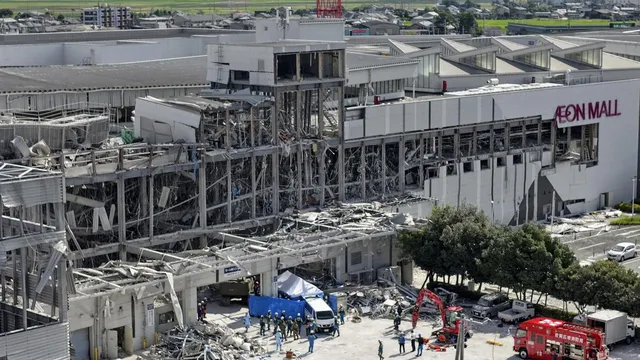
On Tuesday, July 28, 2026, a powerful magnitude 7.1 earthquake struck the Kumamoto area on Japan's southern main island of Kyushu, causing widespread destruction and loss of life. The quake triggered an explosion at a local mall, toppled a factory chimney, and flattened numerous homes, leading to significant casualties. As of Thursday, the death toll was reported to be at least 23, with some reports indicating it could be as high as 28, according to police tallies that include ongoing investigations into additional cases. The number of injured individuals reached at least 63, with five suffering serious injuries.
In the aftermath of the earthquake, rural communities in southwestern Japan faced immense challenges in restoring normalcy. Thousands of residents were forced to evacuate their homes, with many seeking refuge in approximately 400 shelters set up in gymnasiums and other large spaces. As of Thursday, more than 10,000 people remained in these shelters, where efforts were made to provide air conditioning due to the sweltering heat. Nearly 23,000 homes were reported to be without electricity, and many residents were still without access to water, compounding the difficulties faced by those affected.
Rescue operations continued as authorities worked tirelessly to locate survivors trapped under the rubble. Eyewitness accounts revealed harrowing scenes of family members desperately searching for loved ones amidst the wreckage. The situation was particularly dire at the mall, where the second floor collapsed, trapping individuals inside. As of early Thursday, six fatalities had been confirmed at the mall site, with 11 people rescued from the debris. Family members of those still missing gathered near the wrecked mall, anxiously awaiting news of their loved ones.
The earthquake's impact was exacerbated by the region's older housing structures, which were less resilient to seismic activity despite Japan's strict building codes. The Ministry of Environment issued a heat stroke alert for the Kumamoto area, as temperatures were expected to soar to 33 degrees Celsius (91 degrees Fahrenheit). Concerns about public health were growing, particularly regarding the potential for illness among those displaced by the disaster. As rescue efforts continued, the focus remained on finding survivors and addressing the immediate needs of the affected population.