

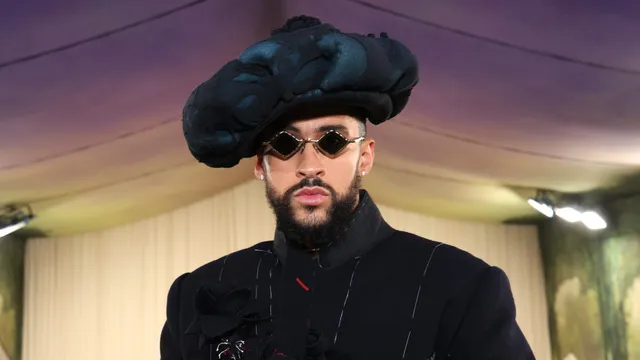
Bad Bunny headlines Super Bowl with cultural impact and support
Bad Bunny headlines Super Bowl with cultural impact and support
- Bad Bunny prepares to headline the Super Bowl halftime show, a milestone for Latin music.
- Cardi B expresses her pride in Bad Bunny's cultural activism against immigration enforcement.
- The event highlights the strong support for diverse representation in entertainment.
Story
In a significant cultural moment, Puerto Rican artist Bad Bunny is set to headline the Super Bowl halftime show, marking a notable achievement in representation for Latin music in America. The event, taking place on February 8, 2026, has attracted widespread attention from fans and celebrities alike. Cardi B, a fellow artist and collaborator of Bad Bunny, expressed her pride in his cultural activism and his stand against ICE, especially during a time of heightened immigration enforcement in the United States. This moment comes just after Bad Bunny won the album of the year at the Grammy Awards for his album 'Debí Tirar Más Fotos,' a groundbreaking achievement for an all-Spanish-language album, emphasizing the growing influence of Latin music in mainstream media. As anticipation builds around the halftime show, Cardi B shared her aspirations to possibly join Bad Bunny onstage, highlighting the excitement of sharing a significant platform with a fellow Latino artist. She stated that the alignment of current events, social issues, and their cultural identities reflects a collective strength and unity among the Hispanic and Latino communities. Not only does this performance carry entertainment value, but it also serves as a statement of cultural pride and resilience, especially against a backdrop of political challenges. Celebrities and fans have rallied in support of Bad Bunny across social media, showcasing a range of endorsements from figures like Madonna and Katy Perry, both of whom have previously performed at the Super Bowl. They acknowledged the importance of cultural representation, with discussions emphasizing that Latin music is not only gaining traction in America but also that it forms a part of the broader American narrative. Such support reinforces the notion that diversity in entertainment is crucial, particularly during events of national significance like the Super Bowl. Despite some political opposition, particularly from former President Donald Trump who expressed his disapproval of Bad Bunny headlining the event, the overall narrative surrounding this performance is steeped in positivity and cultural affirmation. As the concerted efforts of musicians like Bad Bunny and Cardi B gain traction, they pave the way for future generations of artists. This landmark moment in television history will likely resonate well beyond the confines of the stadium, potentially influencing future selections for entertainment at large-scale events.
Context
The impact of Latin music in mainstream media has grown tremendously over the past few decades, transforming the music landscape and cultural expressions globally. Latin music genres such as reggaeton, Latin pop, salsa, and bachata have not only gained traction within Latin communities but have also transcended cultural boundaries to reach a broader audience. This evolution can be traced to factors such as the influence of technology, the proliferation of social media, and collaborations between Latin artists and mainstream musicians, which have helped Latin music penetrate various demographics and regions, particularly in the United States and Europe. One of the key drivers of this phenomenon has been the digital revolution, which has transformed the ways in which music is created, distributed, and consumed. Platforms like Spotify, Apple Music, and YouTube have made it easier for Latin artists to share their creations with the world. The rising popularity of the genre is evident in streaming statistics and social media trends, where Latin songs frequently dominate charts and playlists. The collaborations between Latin artists and major artists from other genres, such as Justin Bieber's collaboration with Luis Fonsi on "Despacito", have generated significant crossover success, further cementing Latin music's foothold in mainstream media. Television and film have also played a pivotal role in promoting Latin music. Programs like the Latin Grammy Awards showcase the richness and diversity of Latin sounds while providing an international platform for artists. Streaming services have produced extensive content highlighting Latin music and culture, thereby introducing it to new audiences. Furthermore, the film industry often leverages popular Latin music hits to evoke emotional responses, enhance storytelling, and connect with viewers who value cultural connections. In addition to the sheer popularity and commercial success of Latin music, its influence permeates fashion, dance, and broader entertainment. The music’s infectious rhythms and compelling lyrics invite audiences to engage in new ways, including dance and social experiences at concerts and festivals. The establishment of successful Latin music festivals and events worldwide highlights the growing allure and recognition of the genre. The impact of Latin music on mainstream media will likely continue to grow, serving as a testament to the cultural richness of Latin communities and their contributions to global music trends. As Latin music continues to flourish, it not only entertains but fosters greater understanding and appreciation of diverse cultural identities.


