

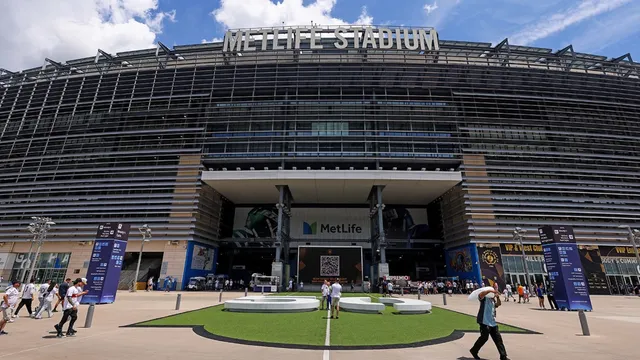
New Jersey Transit proposes exorbitant train ticket prices for World Cup games
New Jersey Transit proposes exorbitant train ticket prices for World Cup games
- Discussions at New Jersey Transit indicate a potential ticket price increase to $150 for rail travel to MetLife Stadium during the World Cup.
- This sharp rise in pricing is attributed to costs associated with moving tens of thousands of fans to and from matches.
- The pricing controversy has led to a public dispute between New Jersey officials and FIFA regarding responsibility for transportation expenses.
Story
In the United States, New Jersey Transit has revealed discussions regarding the pricing of train tickets for World Cup games at MetLife Stadium, where over 40,000 fans will attend eight matches starting from July 19, 2026. Typically, a return ticket from New York's Pennsylvania Station to the stadium costs only $12.90, but authorities are considering a significant price increase, potentially reaching $150 for a round trip. This sudden hike is attributed to the expenses incurred in accommodating the transportation needs of fans. NJ Transit usually provides discounted fares for seniors, children, and disabled passengers, but the upcoming event will enforce a uniform price for all riders. The anticipated return ticket price has sparked controversy, leading to a blame game between New Jersey Governor Mikie Sherrill and FIFA, with each party pointing fingers at the other for the cost increase. Governor Sherrill has called for FIFA to bear some transportation costs, citing a $48 million bill incurred to manage fan movement. FIFA, on its part, claims that a contract established with host cities requires free transportation for fans and expresses surprise over the governor's statements. As tensions rise, a definitive price for the train tickets is set to be announced soon, with concerns over how the pricing will impact both fans and regular commuters. Rail services are expected to be crucial during the World Cup, as parking availability at the stadium will be significantly lower than during NFL games.


