
politics
controversial
impactful

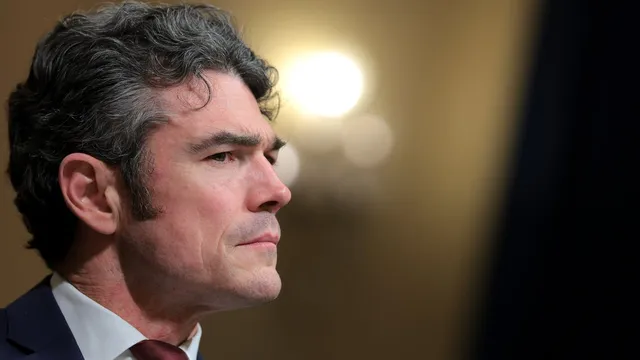
FBI investigates Joe Kent for classified information leaks

Mar 18, 2026, 10:34 PM30
(Update: Mar 19, 2026, 1:05 PM)
US FBI national security unit
American political candidate and army officer
U.S. government organization responsible for national and international counterterrorism efforts

FBI investigates Joe Kent for classified information leaks

  • Joe Kent is under investigation by the FBI for leaking classified information.
  • His resignation was influenced by his opposition to the U.S. war against Iran.
  • The investigation's findings could impact how classified information is managed by officials.
Share your opinion
3

Story

In the United States, the FBI has initiated an investigation into Joe Kent, the former Director of the National Counterterrorism Center, regarding allegations of classified information leaks. This investigation reportedly began prior to Kent's recent resignation, which he attributed to his opposition to the U.S. involvement in the military conflict with Iran. Kent expressed that he could not support a war he believed had no immediate threat and countered the administration's prior stance on prolonged military engagements in the Middle East. Information from the investigation suggests that Kent had been labeled a 'known leaker' and had been excluded from intelligence briefings leading up to his departure. While the specifics of the investigation remain unclear, sources indicate it may be connected to concerns regarding Kent's handling of sensitive information. With a background as a former Army Green Beret and CIA paramilitary officer, his expertise has positioned him as a significant figure in national security. His resigning as a top counterterrorism official has raised questions regarding the ongoing military operation's narrative and the implications of his actions on national intelligence protocols. In a separate incident, former FBI Director James Comey has been scrutinized for potentially revealing classified information during a briefing. He sang a song by Beyoncé during a classified session and later discussed the occurrence with family, inadvertently revealing the code name of a secret FBI program. This raises serious concerns about the management and safeguarding of classified material within high-ranking government officials. Comey’s actions highlight the importance of adhering to protocols designed to protect sensitive information, aligning with previous instances where he faced allegations of mishandling classified materials. Both instances reflect ongoing vulnerabilities within the U.S. intelligence community regarding the management of classified information and the responsibilities of those in positions of authority. As investigations unfold, they may lead to broader discussions about transparency, accountability, and the oversight of those tasked with protecting national security.

Context

The history of classified information leaks in the U.S. government is extensive and has significantly impacted national security, public trust, and governmental operations. These leaks typically occur when sensitive information is disclosed, either intentionally by whistleblowers or inadvertently by poor security practices. Notable leaks in history include the Pentagon Papers in the early 1970s, which revealed previously undisclosed information about the Vietnam War and led to a spirited debate on government transparency versus national security. This incident marked a pivotal moment in American history, prompting significant public discourse about the responsibility of government to its citizens and the implications of secrecy in a democratic society. The emergence of technology has transformed the landscape of classified information leaks. The growth of the internet and digital communication has made it easier for whistleblowers to share sensitive information anonymously, while also providing governments with new challenges in protecting classified details. The leak of classified documents by Edward Snowden in 2013 is a prime example, revealing extensive government surveillance programs and igniting a global conversation about privacy, security, and the ethical implications of state-sponsored monitoring. Such leaks have had far-reaching consequences, prompting congressional hearings, legal repercussions, and calls for legislative reforms to enhance transparency and accountability. In addition to these high-profile incidents, there have been numerous smaller leaks that have still impacted public awareness and governmental policy. The systematic examination of leaks highlights how classified information is safeguarded and the potential vulnerabilities within that framework. The role of investigative journalism has also been crucial in uncovering these leaks, as media outlets have often acted as intermediaries between whistleblowers and the public, shining a light on government actions that could otherwise remain hidden from scrutiny. This relationship demonstrates an essential balancing act that society must navigate between the necessity of secrecy for national security and the public's right to know. As we analyze the historical context of classified information leaks in the U.S. government, it becomes clear that they serve as both cautionary tales and catalysts for reform. Each incident contributes to an evolving narrative regarding the balance between protecting sensitive information and ensuring governmental accountability. In this ongoing discourse, future leaks will likely continue to shape public perception and influence policies regarding information classification, privacy rights, and the mechanisms in place to safeguard national security without infringing on civil liberties.

2026 All rights reserved
