

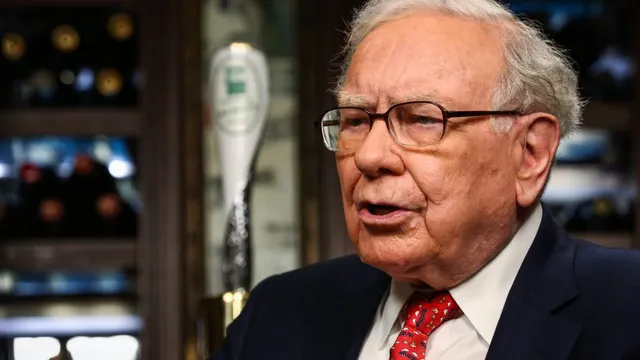
Warren Buffett refocuses his philanthropy towards children’s foundations
Warren Buffett refocuses his philanthropy towards children’s foundations
- Warren Buffett admits that his previous philanthropic ambitions are not feasible at his age.
- He has decided to allocate most of his wealth to charitable foundations run by his children, amounting to significant stock contributions.
- Buffett's shift in focus may influence the future dynamics of billionaire-led philanthropy.
Story
Warren Buffett, the billionaire and founder of Berkshire Hathaway, has acknowledged that some of his earlier philanthropic ambitions have not materialized as he had initially planned, particularly as he ages and reflects on his life. At 95 years old and with a net worth of approximately $144 billion, he expressed concerns about the feasibility of grand gestures of philanthropy in a letter to shareholders. He has opted for a different approach by redistributing his wealth among his children, allowing them to manage charitable initiatives through their designated foundations. Rather than creating a singular large-scale philanthropic initiative, Buffett has committed to transferring most of his remaining wealth to the charitable organizations run by his three children. This decision includes significant contributions: $750 million in stock to The Susan Thompson Buffett Foundation, which offers scholarships to students in Nebraska, and $250 million worth of stock to each of his children's foundations, which are focused on various community and global betterment causes such as food security and support for marginalized communities. He believes that his children possess the necessary maturity and instincts to effectively manage these financial gifts. Despite these significant donations, Buffett does not plan to liquidate his entire stake in Berkshire Hathaway at this time. He remains committed to a philanthropic model that he believes is more sustainable over the long term, one that avoids the pitfalls of ill-conceived wealth transfers. His doubts about grand plans can also be traced to his observations of wealth distribution practices, which he views as often flawed or politically motivated, leading him to reconsider the impact and execution of his charitable endeavors. This newly focused strategy raises questions about the future of The Giving Pledge, which Buffett co-founded with Bill Gates and Melinda French Gates in 2010. While the initiative encouraged the ultra-wealthy to pledge at least 50% of their wealth to charity, recent trends indicate that many billionaires’ fortunes are growing at a pace that exceeds their philanthropic contributions. As Buffett signals a shift towards a quieter philanthropic role, the dynamics of billionaire philanthropy may change, especially as some high-profile philanthropists like MacKenzie Scott pursue more rapid and impactful giving strategies.


