

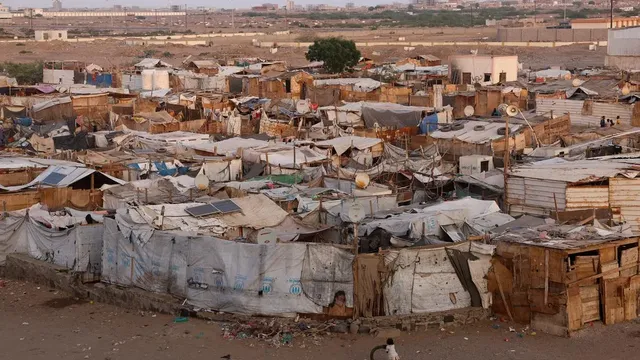
Yemen faces devastating humanitarian aid cuts as funding collapses
Yemen faces devastating humanitarian aid cuts as funding collapses
- Yemen is experiencing a severe humanitarian crisis with 23 million people needing assistance.
- Oxfam reported an 80% funding collapse since 2025, significantly affecting aid operations.
- The situation highlights the urgent need for sustainable solutions to restore peace and stability.
Story
Yemen, a country suffering from a decade-long civil war, is grappling with immense challenges as humanitarian aid dwindles. As of late 2025, two-thirds of the population, approximately 23 million people, required assistance amid the world's second-largest food crisis. Reports indicated that nearly half of all children under five in Yemen were facing chronic malnutrition, which has severe long-term implications for child development. The decline in aid has been attributed to multiple factors, including geopolitical shifting dynamics and a significant reduction in funding from key international players, including the U.S., which has drastically cut back its overseas assistance. The harsh reality on the ground reveals the desperation faced by the Yemeni population. Nada al-Saqaf from Oxfam Yemen described the humanitarian crisis as increasingly overlooked, emphasizing that many people have not received a salary for over ten years. The ongoing conflict has further complicated aid delivery, especially in northern Yemen, where the Houthi movement has been known to arbitrarily detain aid workers, aggravating the situation. Humanitarian organizations are struggling to operate as international NGOs reconsider their presence in Houthi-controlled areas, contributing to the deepening crisis. Climate change plays a significant role in exacerbating Yemen’s troubles. Saqaf noted that while climate change did not cause the conflict, it has intensified existing issues, particularly for farmers who represent about half of Yemen’s workforce. Changing weather patterns are making it increasingly difficult for agricultural practices to thrive, leading to disputes over dwindling resources, such as water. Farmers like Mujib Mohammed Ali have reported severe water shortages that force communities to travel long distances for basic needs. Despite the obstacles, initiatives by organizations like Oxfam are attempting to promote resilience through training, drought-resistant agricultural practices, and community support systems. The broader implications of these aid cuts are felt not only in food security but also in public health domains. Previous reliance on foreign aid for crucial supplies such as contraception and disease prevention has eroded, leaving many vulnerable populations at risk. The aid cuts are further compounded by budget reductions from other G7 nations and a shift toward aligning assistance with the donor countries' strategic interests rather than humanitarian needs. The dire situation in Yemen points to a need for sustainable, locally driven solutions to achieve long-lasting peace and recovery, as many continue to seek the means to survive.


