

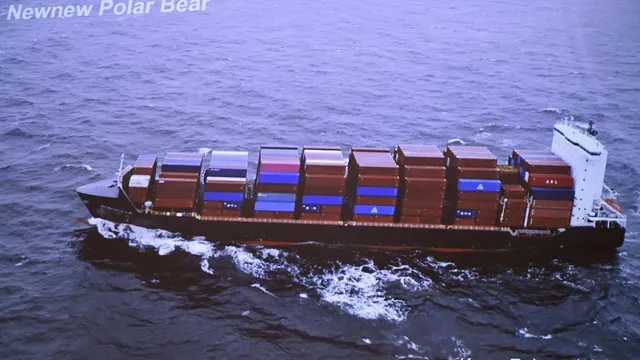
Captain faces trial for damaging undersea cables in the Baltic Sea
Captain faces trial for damaging undersea cables in the Baltic Sea
- Wan Wenguo is the captain of the Newnew Polar Bear, accused of damaging critical undersea infrastructure.
- A total of 18 witnesses will testify about the damages incurred on October 8, 2023.
- The case signals deepening international concern over maritime safety and potential sabotage in the Baltic region.
Story
In October 2023, the captain of a Hong Kong-registered vessel named Wan Wenguo was implicated in causing criminal damage to undersea infrastructures, specifically a natural gas pipeline and submarine telecommunications cables in the Baltic Sea. The incident raised alarm in the Baltic Sea region, which has been on high alert for potential sabotage targeting critical infrastructures since Russia initiated its full-scale invasion of Ukraine in 2022. Many countries find it challenging to assign blame and prove intent in these incidents, leading to a complex legal landscape surrounding maritime activities. The case involves testimony from 18 witnesses, with Wan's legal team implying the captain's actions were reckless, resulting in damages to significant infrastructure. With multiple violations cited, Wan faces the possibility of a maximum two-year prison sentence. The situation has escalated diplomatic engagement, with Finland seeking cooperation from China as the investigation unfolds, illustrating the international implications of this case. The case serves as a reminder of the fragile nature of undersea infrastructure, especially amidst geopolitical tensions where accusations of sabotage abound.
Context
The damage to Baltic Sea infrastructure poses significant risks to regional security, impacting both economic stability and geopolitical dynamics. The Baltic Sea, being a crucial maritime corridor for trade and energy supplies, experiences intense maritime activities involving various states. Infrastructure such as ports, pipelines, and shipping lanes is vital for the transport of goods and resources, particularly energy resources like oil and gas from Northern Europe and Russia. Any damage to this infrastructure can lead to substantial economic losses for the countries involved while simultaneously creating operational vulnerabilities that may be exploited by adversaries. It is crucial to analyze both the immediate and long-term consequences of such infrastructure damage on the overall security posture of the region. In the context of the Baltic Sea, there are ongoing tensions among regional powers, particularly between NATO member states and Russia. Damage to infrastructure, whether resulting from natural disasters, accidents, or deliberate attacks, can exacerbate these tensions by heightening threats to national security. For example, attacks on critical infrastructure not only disrupt supply chains but can also be interpreted as acts of aggression, which may provoke military responses. Furthermore, damaged infrastructure can hinder joint operations among NATO allies and undermine collective defense mechanisms, leading to a breakdown in regional security. Thus, maintaining and protecting Baltic Sea infrastructure is of paramount importance in ensuring stability and deterring potential aggressors. Moreover, the environmental ramifications of infrastructure damage in the Baltic Sea cannot be overlooked. The region is known for its delicate marine ecosystem, and any incidents leading to pollution or ecological degradation can further complicate regional security. Environmental crises usually require cooperation among neighboring states, but if relations are strained due to infrastructure damage, such cooperation may be difficult to achieve. Pollutants from damaged infrastructure may pose health risks to local populations and wildlife, leading to internal instability within states. Furthermore, any failure to effectively manage environmental disasters can harm the credibility of governments, leading to political pressures and weakening state institutions, which are crucial for maintaining security in precarious situations. In conclusion, the damage to Baltic Sea infrastructure has far-reaching implications for regional security. It not only affects economic interests and geopolitical stability but also poses environmental challenges that can strain relationships among neighboring states. As tensions continue to rise in the region, it is imperative that nations prioritize the maintenance and security of their maritime infrastructure. Collaborative efforts to bolster infrastructure resilience, enhance surveillance, and develop joint contingency plans will be essential in mitigating risks associated with any form of infrastructure damage. By addressing these challenges proactively, the countries bordering the Baltic Sea can work towards ensuring a secure and stable maritime environment, ultimately contributing to the broader peace and security efforts in the region.


