

Mexico aids Cuba as U.S. sanctions deepen energy crisis
Mexico aids Cuba as U.S. sanctions deepen energy crisis
- Two Mexican Navy ships carrying humanitarian aid arrived in Cuba amid a severe energy crisis resulting from a U.S. blockade.
- One ship delivered 536 tons of foodstuffs and hygiene items, while the other focused on providing over 277 tons of powdered milk.
- Cuban officials and citizens are facing dire circumstances due to shortages, prompting the government to seek international support.
Story
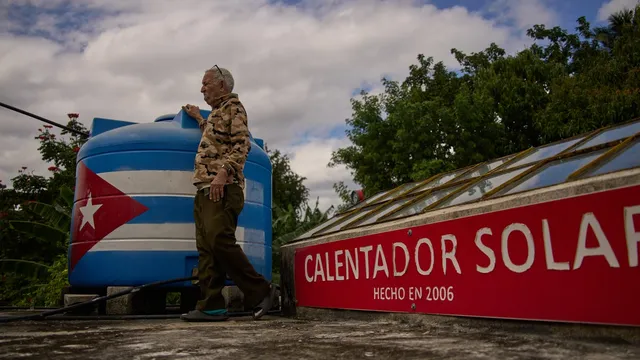
Cuba has been experiencing an escalating energy crisis attributed to tightening U.S. sanctions, particularly following a significant threat from U.S. President Donald Trump regarding tariffs on oil supplies to Cuba. In response to this dire situation, the Mexican Navy dispatched two ships laden with humanitarian aid, arriving in Havana on Thursday. The first vessel carried approximately 536 tons of food, including essential items such as milk, rice, beans, sardines, meat products, cookies, canned tuna, and vegetable oil, along with personal hygiene products. The second ship was dedicated to transporting just over 277 tons of powdered milk, aimed primarily at addressing the immediate nutritional needs of the Cuban population. The Mexican government, led by President Claudia Sheinbaum, has undertaken these humanitarian efforts amid ongoing diplomatic negotiations to restore oil supplies to dealing with the severe shortages spurred by U.S. actions. Previously, the Mexican state-owned company Petróleos Mexicanos, known as Pemex, had halted crude oil shipments to Cuba since January, although the exact reasons remain unclear. The shortage of oil has prompted Cuba to implement energy rationing, gravely impacting various sectors, including transportation, healthcare, education, and tourism. This blockade and the attendant lack of resources have forced Cuban officials to adopt drastic measures, including altering retail methods for fuel distribution. With the limited availability of fuel, sales are restricted to those who can pay in U.S. dollars, and only a small quantity is allowed per individual. Such circumstances have detrimental effects on the once-thriving tourism industry in Cuba, leading to flight cancellations and delays, as airlines struggle with insufficient fuel supplies. As the Cuban government grapples with increasing blackouts and an array of social and economic disruptions, President Miguel Díaz-Canel has condemned the U.S. measures as an energy blockade, lamenting their impact on the daily lives of Cubans. The Cuban economy has suffered significantly, with estimates indicating that the U.S. sanctions have caused a loss exceeding $7.5 billion over the span of less than a year. Despite the current adversities, Cuba still relies on international solidarity, exemplified by Mexico's timely assistance through the delivery of humanitarian aid.
Context
The impact of U.S. sanctions on Cuba's economy has been profound and multifaceted, affecting various sectors and the daily lives of Cuban citizens. Since the implementation of these sanctions, primarily in the early 1960s, Cuba has experienced a severe contraction in economic growth, hampered access to essential goods, and limited foreign investment opportunities. The sanctions restrict trade between the two nations and prevent international financial transactions involving U.S. institutions, creating significant impediments to economic development. As a result, the Cuban economy has been characterized by shortages of food, medical supplies, and other critical resources, leading to increased poverty levels and societal unrest. Moreover, remittances from Cubans living abroad, particularly in the U.S., are also negatively influenced by the sanctions, impacting the financial support many families depend on for their livelihood. Agriculture, tourism, and healthcare sectors have faced considerable challenges due to the sanctions. The agricultural sector, once a staple of the Cuban economy, has struggled with limited access to modern agricultural technology and inputs. This has resulted in decreased productivity and an inability to meet domestic food demands, prompting Cuba to rely on food imports despite having fertile land. Tourism, historically one of the lifeblood sectors for the Cuban economy, has been heavily impacted as U.S. citizens, who constitute a significant portion of tourists, face restrictions on travel. Although some easing of travel restrictions has occurred intermittently, the overarching sanctions continue to deter potential investments and broader tourism growth. In healthcare, while Cuba is renowned for its medical achievements, the sanctions have complicated access to medical supplies and technologies, undermining the quality of care that can be provided. In recent years, the Cuban government has sought to adapt its economic model by promoting limited market reforms and encouraging small private enterprises. However, the overarching shadow of U.S. sanctions complicates these efforts, forcing Cuba to navigate a challenging economic landscape. The dual pressures of external economic constraints and internal reforms have created a precarious balance, highlighting the difficulties for the Cuban state in fostering sustainable economic development. This adaptive approach has seen modest successes in creating localized economic opportunities, but systemic issues stemming from the sanctions persist. The long-term viability of Cuba's economy hinges on the resolution of its relations with the U.S. and the future of economic sanctions. Efforts toward diplomatic negotiations could potentially alleviate some of the sanctions, allowing Cuba to access foreign markets, attract investment, and improve the standard of living for its citizens. Until then, the impacts of the sanctions will continue to resonate through the Cuban economy, stifling growth and innovation while challenging the resilience of the Cuban people amidst ongoing hardship.


