

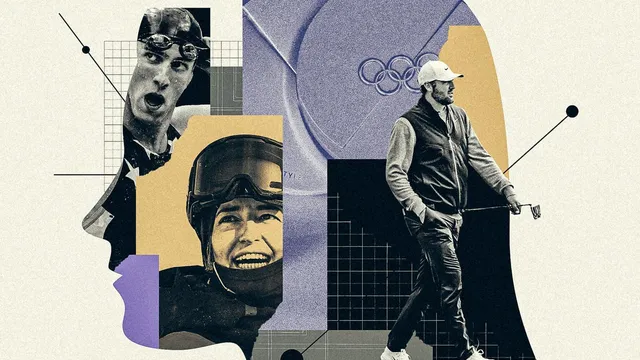
Olympic athletes struggle to find lasting happiness despite achievements
Olympic athletes struggle to find lasting happiness despite achievements
- Studies indicate that bronze medalists are often happier than silver medalists.
- Many Olympians experience post-Olympic blues after competitions.
- Research shows that people frequently misjudge their future happiness, suggesting a need for a deeper understanding of emotional well-being.
Story
In the aftermath of Olympic competitions, many athletes often face unexpected emotional challenges, particularly following significant achievements such as winning medals. For instance, studies have shown that bronze medalists tend to report higher levels of satisfaction compared to silver medalists, contradicting common assumptions about success. Additionally, a phenomenon known as post-Olympic blues affects a significant number of Olympians, leading to feelings of emptiness following the culmination of their athletic pursuits. This emotional turmoil has prompted researchers to delve deeper into the psychology of happiness. For several decades, psychologists and social scientists have examined the gap between actual emotional responses and what individuals predict those responses will be. A key factor in this investigation is 'hedonic adaptation,' where individuals return to a baseline level of happiness after both positive and negative experiences, causing them to overestimate or underestimate the emotional impact of future events. Researchers have identified this pattern as a crucial aspect of 'affective forecasting.' Notably, Arthur Brooks, a professor at the Harvard Kennedy School, has explored how this disconnect is especially prevalent among high achievers, including prominent athletes like Tom Brady, who expressed a sense of unfulfillment despite his notable accomplishments. He encourages a more philosophical approach, promoting 'intention without attachment' as a way to seek fulfillment through meaningful engagement rather than the desire for specific outcomes. Brooks emphasizes the importance of finding purpose and meaning in life, which can shift focus from merely achieving goals to embracing the journey and the experiences along the way. As the Winter Olympics commenced in Italy, the discourse surrounding the emotional experiences of athletes was reignited. The ongoing exploration of happiness, achievement, and fulfillment underscores the complex relationship between personal pursuits and emotional well-being, illustrating that even the most decorated athletes grapple with the elusive nature of happiness and the often unanticipated emotional aftermath of their hard-earned accomplishments.


