

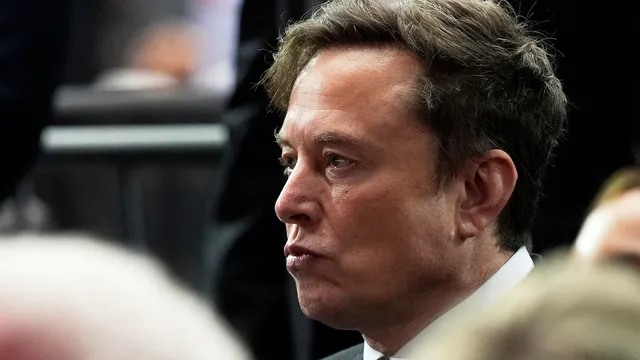
Elon Musk explores potential merger between SpaceX and Tesla or xAI
Elon Musk explores potential merger between SpaceX and Tesla or xAI
- SpaceX is in talks for possible mergers with Tesla and xAI, indicating Elon Musk's strategy to consolidate his businesses.
- A merger could provide significant infrastructure and investment opportunities ahead of an anticipated IPO.
- The discussions highlight Musk's vision for integrating AI with space technology and potential benefits for both companies.
Story
In San Francisco, discussions have emerged about SpaceX's potential merger with Tesla and xAI. These conversations reflect Elon Musk's efforts to consolidate his various business ventures and enhance operational synergies. Notably, some investors support the idea of a merger between SpaceX and Tesla, highlighting the feasible benefits such a union could present. Additionally, the company is investigating a partnership with xAI, potentially around a public offering expected in June. Any merger could attract significant investment from infrastructure funds and sovereign wealth from the Middle East, with expectations of it becoming the largest IPO in history. The fuel for this strategic alignment lies in Musk's grand vision of integrating artificial intelligence with space exploration. SpaceX could provide substantial computing power through its planned data centers in orbit, allowing xAI to leverage this capacity efficiently. Conversely, Tesla's capabilities in energy storage may facilitate the use of solar energy in space, powering these data centers effectively. Musk's ambition extends to applying SpaceX’s Starship rockets for transporting Tesla's Optimus robots to extraterrestrial locations, such as the Moon and Mars. This potential merger signals a transformative phase for Musk’s business empire, which also encompasses ventures like Neuralink and The Boring Company. Investors are closely watching developments, particularly with the projected value of SpaceX at approximately $1.5 trillion and IPO expectations to raise upwards of $50 billion. Analysts speculate that the envisioned union could revolutionize how AI is handled through satellite technology in space, claiming efficiency improvements that terrestrial resources cannot match. While Musk's vision may encourage optimism, it also raises questions about the technical feasibility and financial viability of constructing data centers in a demanding space environment. The risks associated with investing in rapidly evolving technologies add layers of complexity to these proposed mergers. As the narrative unfolds, investors, industry experts, and the public remain keen observers of Musk's next strategic decisions. Regardless of the final outcome, the discussions around potential mergers reflect an aggressive pursuit of innovation within Musk's companies.
Context
The prospect of a merger between SpaceX and Tesla has been a topic of significant interest and speculation among industry analysts and enthusiasts alike. As of January 2026, both companies have made tremendous strides in their respective fields. SpaceX has been at the forefront of space exploration, successfully launching numerous missions, including supply runs to the International Space Station and ambitious plans for missions to Mars. Meanwhile, Tesla has revolutionized the automotive industry with its electric vehicles, leading the global shift towards sustainable energy and transportation. The technological synergies between these two companies could create a powerful conglomerate capable of unprecedented advancements in both space travel and electric mobility. One of the main arguments for the merger is the potential to share resources and expertise. SpaceX's advancements in rocket technology and aerospace engineering could significantly accelerate Tesla's development of transportation solutions beyond earth. Conversely, Tesla's battery technology and energy efficiency innovations could enhance SpaceX's operations, particularly in reducing launch costs and improving sustainability in space missions. The integration of these pioneering technologies could lead to the creation of new products and services that address critical challenges, such as reusability in space travel and energy consumption in electric vehicles. However, this potential merger also faces challenges and concerns. Regulatory scrutiny is likely to be a significant hurdle, as combinations of major corporations in these sectors can raise antitrust issues. Furthermore, both companies have distinct corporate cultures and operational strategies, which may present integration challenges. Each company's leadership will need to carefully plan to ensure a cohesive strategy moving forward, while balancing innovation with operational efficiency. As the business landscape evolves, any news regarding a formal merger would result in considerable market reactions, both positively and negatively, influencing stock prices and investor sentiment. As of the end of January 2026, there is still no official announcement regarding the merger, but the discussion surrounding it continues to captivate audiences. The prospect remains a mix of exciting potential and practical obstacles, leading to an ongoing debate about the future of both companies and their roles in technology advancement. The next steps will depend on how both organizations navigate the complexities of such a significant endeavor while maintaining their leadership in their respective industries.


