

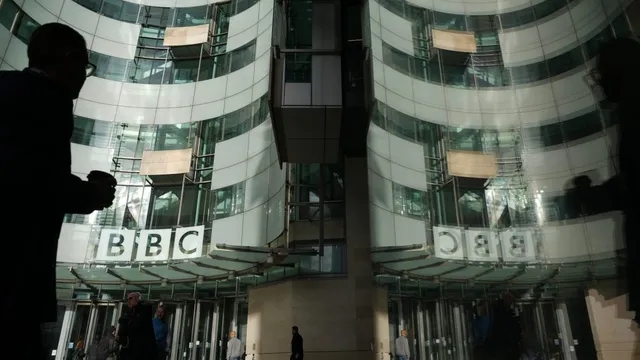
BBC to cut 2,000 jobs amid financial pressures
BBC to cut 2,000 jobs amid financial pressures
- The BBC plans to cut up to 2,000 jobs to achieve a 10% budget reduction as a response to financial pressures.
- The interim Director-General Rhodri Talfan Davies announced the layoffs during a staff call, marking the largest job cuts in over a decade.
- This move coincides with a transition in leadership, raising concerns about the BBC's future and funding amid ongoing public criticism.
Story
In the United Kingdom, the BBC is facing significant financial challenges, leading to a planned reduction of up to 2,000 jobs in order to save 10% of its annual budget. This announcement was made during a staff call and represents the largest layoffs at the national broadcaster in over a decade. Interim Director-General Rhodri Talfan Davies communicated the intent to the staff, acknowledging the resulting uncertainty but emphasizing the need for transparency regarding the institution's challenges. The job cuts are attributed to various factors including rising inflation, pressure on the license fee income, and the broader volatile state of the global economy. Earlier in the year, the BBC had stated that it was encountering substantial financial pressures, prompting the desire to reduce approximately 10% of its budget by the year 2029. Most of the layoffs are expected to occur in the fiscal year starting on April 1, 2027. The timing of this announcement comes as the BBC prepares for a leadership transition, with former Google executive Matt Brittin set to become the new director-general next month. He will be replacing Tim Davie, who resigned following controversies related to editorial decisions linked to a documentary about the January 6, 2021, insurrection at the U.S. Capitol, specifically addressing a misleading edit involving U.S. President Donald Trump. Trump is currently pursuing legal action against the BBC for $10 billion, citing defamation. The BBC, which has been a key cultural and media institution since its founding in 1922, operates multiple television and radio channels, and has faced increased scrutiny regarding its funding model, which is based on a mandatory annual license fee. Recently, this fee was raised to £180 ($244), a move that has faced opposition from rival broadcasters and the public, including households that no longer consume traditional television content. The Labour government has committed to ensuring fair funding for the BBC but has not ruled out the possibility of changing the current funding model to adapt to evolving media consumption habits.


