

Pope Leo XIV declares God rejects prayers of war leaders
Pope Leo XIV declares God rejects prayers of war leaders
- Pope Leo XIV condemned the use of religion to justify war during his Palm Sunday homily in St. Peter's Square.
- He emphasized that God does not listen to the prayers of those who wage war and stressed the importance of peace.
- The pontiff's statement came amidst escalating conflicts and suffering experienced by Christians in the Middle East.
Story
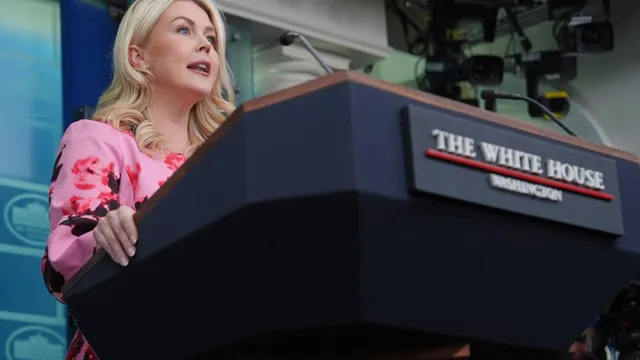
In the backdrop of the ongoing U.S.-Israeli conflict with Iran, Pope Leo XIV delivered a powerful Palm Sunday homily on March 29, 2026, emphasizing God's stance against war. Addressing tens of thousands of worshipers in St. Peter's Square, he declared that Jesus cannot be used to justify violence, asserting that God listens only to prayers from the compassionate and peaceful. The pope also lamented the suffering of Christians in the Middle East, who have been enduring severe repercussions from the ongoing conflict. His remarks were perceived as a direct challenge to those in power who invoke religion to legitimize warfare. Pope Leo, who is the first U.S.-born pope, dedicated his homily to the theme of peace, urging an end to violence as the conflict in Iran continued to escalate. He explicitly criticized leaders who exploit God’s name for military objectives, referencing the biblical notion that God does not respond to requests from those stained by violence. This marked one of his most forceful condemnations against the war, especially given the alarming number of casualties reported due to the ongoing hostilities. Millions across the globe were not only grieving over military losses but also feeling the weight of religious leaders using faith as a justification for war. During his message, the pontiff highlighted the plights of Christians facing persecution in the Middle East due to the conflict, and articulated the importance of recognizing communities who struggle in the shadow of war. He extended his prayers to these individuals, acknowledging how challenging it is for them to participate in Holy Week observances amidst the ongoing violence and strife. Addressing the national sentiments, Pope Leo’s remarks brought to the forefront questions surrounding the role of faith in warfare, as discussions grew over the moral responsibilities of religious institutions amidst conflicts. In response to the pope's statements, the White House defended the practice of prayer in military contexts, asserting that it is a longstanding tradition of U.S. leaders to seek divine support for troops during difficult times. They expressed discontent regarding the pope's disavowal of prayers from military leaders, asserting that calls for prayers do not encourage violence but rather offer comfort and support for service members. Critics argue that invoking faith in a military context often misrepresents spiritual tenets, potentially deepening divisions and fuelling further conflicts. As the world perceives these ongoing debates surrounding faith and warfare, Pope Leo's role may be significant in shaping perspectives during a time where millions are caught in the crossfire of geopolitical strife. His messages reflect a profound hope for peace and call for reflection among leaders worldwide, urging them to rethink their approaches and priorities in conflicts. The Pope’s continued advocacy for peace could help restore a sense of humanity in a world grappling with the challenges posed by warfare and oppression.
Context
market data analysis data market insight policy economic analysis shift strategic analysis data insight shift shift market data impact economic geopolitical strategic economic insight data data shift impact geopolitical trends policy economic impact geopolitical global economic global policy strategic data trends economic shift analysis geopolitical trends economic global economic data impact geopolitical insight global shift analysis market market strategic global geopolitical geopolitical market shift market trends insight insight economic geopolitical insight geopolitical insight analysis economic global strategic global market insight...


