

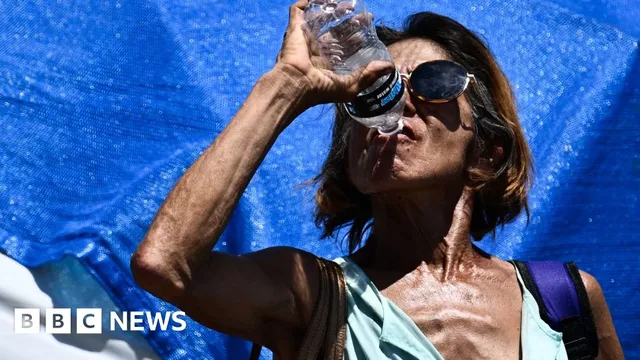
Early heat wave causes record-breaking temperatures in California and the Southwest
Early heat wave causes record-breaking temperatures in California and the Southwest
- A heat wave is producing abnormally high temperatures in California and the Southwest this week.
- Up to 39 million residents are under heat alerts due to expected record-breaking highs.
- The conditions could severely impact vulnerable populations and worsen existing drought situations.
Story
In the week leading up to March 17, 2026, California and the Southwestern United States faced an unprecedented early-season heat wave. This heat wave is characterized by consistently high temperatures, with forecasts indicating highs of over 90 degrees Fahrenheit throughout Southern California and reaching triple digits in parts of Arizona and Nevada. The National Weather Service has reported that nearly 39 million people are currently under heat alerts, with expectations of intensification as the week progresses. The early onset of this heat event is linked to a unique high-pressure dome developing over the region, trapping hot air and creating conditions more reminiscent of summer than mid-March. The heat warnings suggest that areas could approach or break historical records for this time of year, with projected highs in key cities such as Los Angeles and Phoenix reaching 98 degrees and 105 degrees, respectively. Such extreme temperatures pose significant health risks to vulnerable populations, including children and elderly individuals. As the extreme heat unfolds, it has wider implications for environmental conditions, particularly concerning the existing snow drought in the West. The persistent high temperatures further threaten the already inadequate snowpack levels, raising alarms over potential wildfire risks and future water shortages. The National Weather Service has emphasized the importance of taking precautions such as staying indoors, hydrating, and exercising during cooler morning or evening hours to mitigate the dangers posed by the searing heat. Public advisories are particularly centered around the need to check on individuals without air conditioning and to limit outdoor activity during peak hours. In stark contrast to the heat engulfing the Western states, a winter storm has taken hold in the Upper Midwest and parts of the Great Lakes, bringing heavy snow to Wisconsin and Michigan. The Midwest is experiencing its own set of challenges, with destructive winds and potential tornadoes predicted across various regions, including Pennsylvania and New Jersey. This dichotomy of weather extremes highlights the complexities of climate patterns, as communities in different parts of the country grapple with dramatically varied weather phenomena.
Context
Climate change has significantly altered the frequency, duration, and intensity of heat waves across the globe. This phenomenon is largely attributed to rising global temperatures, which have been driven by increased greenhouse gas emissions and other human activities. As the planet continues to warm, regions that previously experienced mild summers are now facing extreme heat events, with temperatures soaring to unprecedented levels. The consequences of these heat waves are far-reaching, impacting not only the natural environment but also human health, agriculture, and infrastructure. In urban areas, the heat island effect is exacerbated, leading to higher temperatures compared to surrounding rural areas, posing additional risks to vulnerable populations lacking adequate access to cool environments and resources. The health implications of heat waves are serious and alarming. Research has shown that prolonged exposure to extreme temperatures can result in heat-related illnesses such as heat exhaustion and heat stroke, and can exacerbate pre-existing medical conditions, particularly cardiovascular and respiratory diseases. Vulnerable populations, including the elderly, children, and low-income individuals, are particularly at risk. Furthermore, the mortality rates associated with heat waves have climbed, prompting public health officials to establish early warning systems and increase community awareness of the dangers presented by extreme heat. In tandem with health concerns, heat waves also impose significant socioeconomic costs, including increased energy demand for cooling, reduced labor productivity, and adverse effects on mental health due to prolonged exposure to high temperatures. From an agricultural perspective, heat waves can disrupt crop development, leading to reduced yields and lower quality produce. High temperatures can stress plants, affect pollination, and increase water evaporation rates, which is particularly concerning in regions already experiencing water scarcity. The resulting impact on food supply can lead to higher prices and food insecurity, affecting both local and global markets. Farmers may be required to adapt their practices, shifting to heat-resistant crops or altering planting schedules to mitigate the effects of extreme heat. These necessary adjustments, however, may require additional resources and knowledge, which not all farming communities possess, further entrenching existing inequalities in food production and security. Lastly, the threat posed by heat waves extends to critical infrastructure, including transportation systems, energy grids, and water supply networks. High temperatures can cause rail deformities, leading to service disruptions and increased maintenance costs. Energy demands surge as populations rely heavily on air conditioning, placing stress on energy infrastructure that may not be equipped to handle such spikes. Water treatment plants can also be adversely affected, as higher temperatures can alter the quality of raw water supplies, making it more challenging to deliver safe drinking water. As heat waves become more frequent and intense due to climate change, it is imperative for policymakers and communities to invest in climate adaptation strategies, improving resilience to heat-related impacts and safeguarding public health, agriculture, and infrastructure.


