

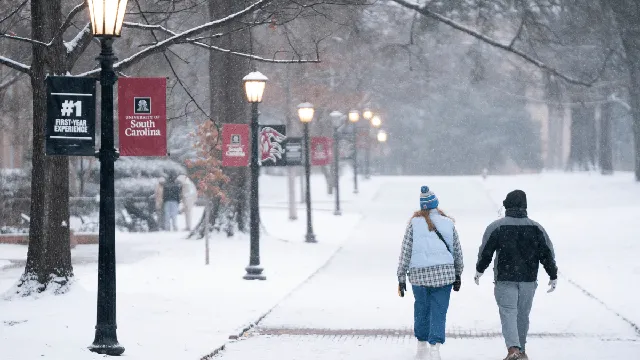
Death toll rises as winter storm cripples southern US
Death toll rises as winter storm cripples southern US
- Severe winter storm and extreme cold have resulted in at least 85 fatalities across the southern United States.
- Emergency services are working to restore power and clear roads as thousands remain without electricity.
- The storm highlights the vulnerability of southern states to extreme winter weather and the urgent need for improved preparedness.
Story
The southern United States has been facing unprecedented winter conditions, resulting in numerous fatalities and widespread disruption. As temperatures plummeted to dangerous lows following a massive winter storm, emergency services reported a significant increase in the death toll, with at least 85 confirmed deaths across multiple states including Texas, Louisiana, Mississippi, Tennessee, and New Jersey. Many victims succumbed to hypothermia, accidents while driving, or carbon monoxide poisoning linked to alternative heating methods. State governments activated emergency response teams to aid in power restoration and assist those stranded by icy roads. Mississippi mobilized 500 National Guard troops to clear impacted areas, while Tennessee reported nearly 1,000 utility workers were engaged in repairs. The National Weather Service warned of prolonged frigid temperatures, predicting a severe winter storm could worsen conditions as a potential nor'easter approached the region. The deep freeze affected areas not typically accustomed to such harsh weather, leaving thousands without electricity. By this weekend, power outages affected over 95,000 customers in Mississippi alone, with many local residents facing shortages of food and water. Warming centers and shelters were established statewide to provide refuge, though many communities remained severely impacted, with roads blocked and vital resources dwindling. While some areas experienced significant snowfall, others dealt with treacherous ice, complicating travel and recovery efforts. The situation reflects the vulnerability of southern states to extreme winter weather episodes, underscoring the need for better preparedness and infrastructure to handle such events in the future. As recovery efforts continue, officials remain on high alert for more severe weather predictions, urging residents to remain cautious and prepared for ongoing disruptions.
Context
The impact of severe winter weather on southern communities has become an increasing concern as climate patterns shift, resulting in more frequent and intense winter storms. Traditionally, the South is characterized by mild winters; however, instances of severe winter weather can lead to significant disruptions for residents and local economies. Communities that are not typically prepared for snow and ice can face major challenges, including power outages, dangerous travel conditions, and strain on emergency services. The unpredictability of severe winter events has forced local governments to re-evaluate their preparedness and response strategies to ensure safety and minimize disruptions. One of the most immediate effects of severe winter weather is the disruption it causes to transportation systems. Icy roads and heavy snowfall can lead to hazardous driving conditions, resulting in accidents and impassable routes. This affects not only individual commuting patterns but also the delivery of goods and services. Businesses may face closures or reduced hours of operation, which can have downstream effects on local economies. In addition, schools and public services may be forced to shut down, further complicating daily life for families in the affected areas. The economic impact of lost productivity and increased operational costs can have lingering effects on a community's financial health. Moreover, severe winter weather can significantly affect power infrastructure. In many southern regions, the infrastructure is not equipped to withstand heavy snow and ice accumulation on power lines and trees. This can lead to widespread power outages, leaving residents without heat during freezing temperatures. These outages disproportionately affect vulnerable populations, including the elderly and those with health conditions. Emergency services often face heightened demands during these events, as they work to restore power and provide assistance to those in need. In recent years, there has been a call for investments in more resilient energy systems that can better withstand extreme weather. Lastly, the psychological and social impacts of severe winter weather should not be overlooked. Extended periods of isolation due to inclement weather can lead to increased stress and anxiety among residents. Community engagement and mental health resources become critical during these times, as individuals may feel cut off from their usual support systems and services. Local leaders and organizations must prioritize communication and support for residents during severe weather events to mitigate these negative outcomes. In conclusion, the rising frequency and intensity of severe winter weather in southern communities present numerous challenges that require a comprehensive approach to preparedness, response, and recovery.


