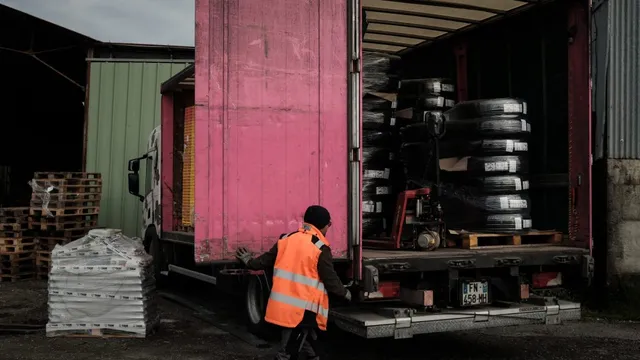
In the United States, the rise of artificial intelligence has led to a significant increase in cargo theft, with the total value of stolen goods reaching $725 million in 2025. This surge in theft is largely attributed to the growing demand for AI hardware, which has shifted the focus of thieves from traditional targets to data centers and related technology infrastructure. The rapid expansion of AI technology has created hardware shortages, including a notable shortage of memory chips, which has further fueled criminal activity. Smugglers have exploited vulnerabilities in the American supply chain, leading to multimillion-dollar thefts. For instance, in a recent operation, authorities recovered $1.3 million worth of stolen data center equipment in Illinois, including copper wires and other high-value items. The increasing value of these shipments has made them more attractive to thieves, resulting in 767 reported incidents of cargo theft in just the first three months of 2026, totaling $132 million in stolen goods. The economic impact of these thefts extends beyond the immediate loss of technology, as operational disruptions can cost companies significantly more than the value of the stolen items. Organized crime has adapted to this new landscape, employing sophisticated tactics to hijack freight and reroute deliveries. The FBI has issued warnings about cyber threat actors using advanced methods to impersonate legitimate businesses, further complicating the logistics industry. In response, companies are adopting new technologies to enhance security and track cargo more effectively, recognizing that they are in an ongoing arms race against organized crime.