

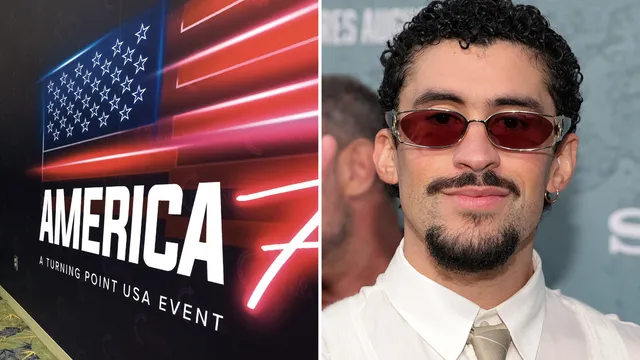
Kid Rock to headline alternative Super Bowl halftime show amid controversy
Kid Rock to headline alternative Super Bowl halftime show amid controversy
- Kid Rock is set to headline an alternative halftime show on February 8, 2026.
- The All-American Halftime Show will feature performances with a focus on conservative values.
- The event is a response to the official NFL halftime show starring Bad Bunny due to differing cultural perspectives.
Story
In the lead up to the Super Bowl taking place in the United States on February 8, 2026, Kid Rock is set to perform at the All-American Halftime Show organized by Turning Point USA. The event is positioned as a counter to the official NFL halftime show featuring Bad Bunny, a Latin music star, who has faced scrutiny from conservative groups for his pro-immigrant stance. Kid Rock, noted for his conservative views, aims to provide an entertainment option that resonates with American values. Alongside him, performers like Brantley Gilbert, Lee Brice, and Gabby Barrett will join the lineup, with a message celebrating faith, family, and freedom. The Turning Point event emphasizes a divide in entertainment choices, as many Americans feel disconnected from mainstream pop culture, particularly regarding performances during high-profile events like the Super Bowl. This sentiment has prompted the establishment of an alternative platform to champion conservative voices in music and entertainment. Amidst the backdrop of political turmoil and social issues, the showcase is anticipated to draw viewers looking for an alternative perspective.
Context
Country music has long been a genre that reflects the values and culture of America, often serving as a voice for its fans. Many country music stars have embraced American values, promoting themes of patriotism, resilience, and community in their music and public personas. These artists often embody the spirit of traditional American values through their lyrics, which frequently highlight family, hard work, and the importance of American roots. By tapping into these central themes, they resonate with a vast audience that identifies with these ideals, often finding solace and inspiration in the songs they share. In recent years, notable country music stars have taken active roles in supporting various American causes and values. Artists such as Toby Keith, Miranda Lambert, and Luke Bryan have used their platforms to champion military personnel, law enforcement, and first responders. Many have participated in charity events and community outreach initiatives that reflect a commitment to American ideals, further reinforcing their connection with fans. The genre's history of storytelling provides a powerful means to express appreciation for the sacrifices made by individuals in service to their country, and this narrative is an essential component of their musical expression and public identity. The current socio-political landscape has seen a rise in the engagement of country music artists in national dialogues surrounding issues such as freedom of expression, social justice, and economic opportunity. Artists like Kacey Musgraves and Maren Morris have brought attention to social issues through their music, challenging traditional narratives and advocating for broader inclusion. This emergence of progressive voices within country music reflects a growing complexity in the genre and highlights how American values can evolve over time. While some artists maintain a more traditional stance, the diversity of opinions within the community reflects the eclectic nature of America itself. Looking forward, the relationship between country music and American values seems likely to continue evolving. As the genre embraces new influences and audiences, its stars will play a significant role in shaping cultural discourse. The commitment of these artists to their fans, informed by a deep appreciation for American principles, will likely inform their creative directions and public endeavors. Ultimately, country music continues to stand as a testament to the values many Americans hold dear—connecting generations through shared experiences and collective narratives.


