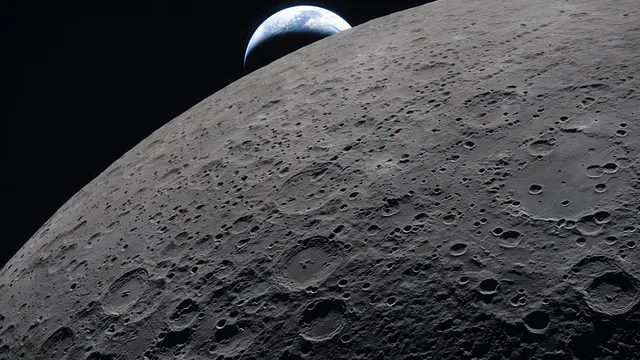
On August 5, 2026, a piece of a SpaceX Falcon 9 rocket is expected to collide with the lunar surface. This event presents a unique opportunity for astronomers to observe the impact and its aftermath, which may be visible from Earth and space-based telescopes. The Falcon 9 rocket, launched in January 2025, was intended to burn up upon reentry into Earth's atmosphere after delivering two lunar landers. However, it entered an orbit around Earth that brought it close to the moon, leading to its impending crash. The impact is predicted to occur near Einstein Crater at a speed of 5,400 miles per hour, releasing energy equivalent to three tons of TNT. Astronomers, including Bill Gray who first identified the rocket's trajectory, are preparing to document the event, which could yield valuable insights into lunar impacts and the risks posed by space debris. The collision's location on the sunlit side of the moon may complicate the detection of the impact flash, as no previous artificial or natural impact flashes have been observed in such conditions. However, the proximity to the moon's limb could allow for visibility of ejected rocks against the dark background. NASA's Lunar Reconnaissance Orbiter and South Korea's Pathfinder Lunar Orbiter are set to monitor the impact site before and after the collision, providing a comprehensive view of this significant event in lunar science.