
Indiana tries to steal Chicago Bears with new stadium plan
- Indiana is working on a proposal to build a domed stadium to attract the Chicago Bears.
- Illinois lawmakers have introduced tax breaks to keep the Bears in the state.
- The ongoing competition between the two states highlights significant economic and cultural implications.
Story
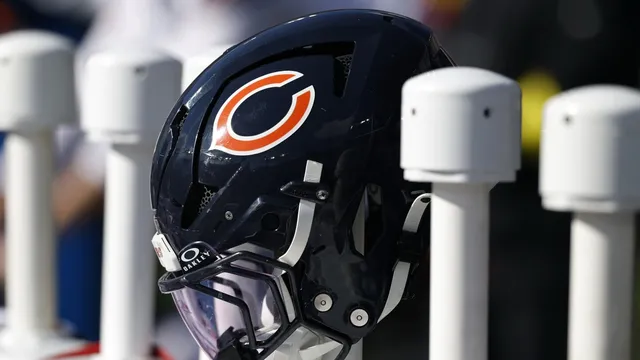
In a growing rivalry between Illinois and Indiana, lawmakers in Indiana have proposed a plan to attract the Chicago Bears away from their long-standing home in Chicago. This initiative, which has been gaining momentum for several months, includes financing and constructing a domed stadium in Hammond, Indiana, approximately 25 miles from the Bears' current location along the Lake Michigan shoreline. Indiana’s plans became more specific when the state’s legislature approved the establishment of the Northwest Indiana Stadium Authority to manage the development, which is envisioned as a multi-use complex that could host various large sporting events besides professional football, including Super Bowls and Final Fours. The push from Indiana comes in light of ongoing criticisms directed at Soldier Field, the existing home for the Bears, which is currently the smallest stadium in the NFL at 61,500 seats. The Bears have rented their facilities throughout their history, including Soldier Field, which is owned and operated by the Chicago Park District, since 1970. In an effort to remain competitive and secure a more advantageous arrangement, the Bears have proposed building a new complex in Arlington Heights, which is also roughly the same distance from Soldier Field as Hammond. In response, Illinois lawmakers have proposed offering tax breaks to large-scale projects exceeding $100 million, specifically targeting the Bears' proposed facility. However, many critics argue that this could lead to increases in property taxes for the residents of Illinois as these legislative measures could contribute to even wider tax burdens. The ongoing discussion about the Bears' future reflects wider concerns about financing public sports facilities and the implications for taxpayers, especially with the substantial debt remaining from the last renovation of Soldier Field, which was initially financed in 2001. The situation has evolved as the matter grows increasingly contentious, highlighting the lengths to which states will go in order to secure cultural and economic symbols like NFL teams. If the Bears decide to leave Illinois, it would mark a significant shift given their deep-rooted history in Chicago, making it not just a sports story but a cultural one that embodies broader regional dynamics, economic challenges, and the complexities surrounding taxpayer investments in sports infrastructure.
Context
The Chicago Bears are one of the most storied franchises in the history of the National Football League (NFL), with a rich heritage that underscores their significance in American sports. Founded in 1919 by George Halas, originally as the Decatur Staleys, the team relocated to Chicago in 1921. The Bears were part of the NFL's early years and quickly established themselves as a pivotal organization in the league. Their first championship came in 1921, and since then, the Bears have had periods of great success, highlighted by multiple championships and a significant role in the development of professional football. Today, they are recognized not just for their on-field accomplishments but also for their contributions to football culture, innovation, and community engagement. The Bears' historical significance is emphasized by their involvement in memorable moments and traditions within the NFL. They participated in one of the first-ever halftime shows in 1924 and introduced the forward pass as a critical element of their strategy in the 1930s. The franchise has developed a reputation for its tough, defense-oriented style of play, famously exemplified by the 1985 team, which is often considered one of the best in NFL history. This team not only won Super Bowl XX but created a cultural phenomenon around football that continues to resonate with fans today. The Bears' iconic mascot, "Staley Da Bear," and the legendary Super Bowl Shuffle further immortalized the franchise in pop culture. Throughout the decades, the Bears have produced numerous legendary players, coaches, and moments that have shaped the landscape of the NFL. Hall of Famers such as Walter Payton, Dick Butkus, and Mike Ditka are prominent figures who defined excellence on the field and became advocates for the sport off the field. The team's home games at Soldier Field, though under renovation and modernization over the years, have remained a hallowed ground for fans, celebrated for its historic significance and the passionate atmosphere it fosters. The franchise's long-standing rivalries, notably with the Green Bay Packers, have added to the storied narrative of the team, creating compelling matchups that capture the attention of fans and media alike. In contemporary times, the Chicago Bears continue to prioritize the development of talent and engagement with their fan base. Their community outreach efforts reflect a commitment to social responsibility, emphasizing inclusivity and support for local initiatives. This incorporation of community values into their operations enhances their identity as a franchise deeply embedded within Chicago and its broader culture. The legacy of the Bears is not only defined by their past achievements but also by their ongoing influence on the NFL and their dedication to evolving the game while remaining true to their historic roots. The Chicago Bears stand as a symbol of resilience, sportsmanship, and the enduring spirit of American football.
