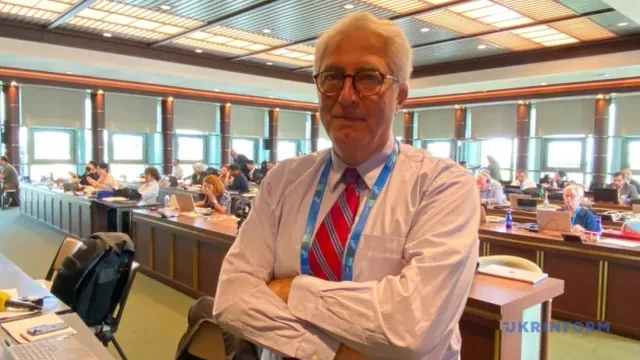
In July 2026, NATO held a summit in Ankara, Turkey, where significant discussions regarding support for Ukraine took place. The summit reaffirmed NATO's unwavering commitment to Ukraine amidst the ongoing conflict with Russia. However, experts expressed concerns about the ability of European allies to fulfill their defense commitments. Murat Yetkin, an international affairs expert, highlighted the challenges of translating promises into action, particularly regarding defense budgets and security architecture. The summit also addressed the need for NATO to evolve from a regional alliance to one capable of addressing global threats, a transformation that remains uncertain.
Former Ukrainian Ambassador to the United States, Valerii Chalyi, noted that while the summit sent a strong signal of support to Moscow, it failed to address three critical questions: NATO's future role in global security, the status of European nuclear deterrence, and the implications of a diminishing U.S. role in European security. Chalyi emphasized that the ongoing war has global implications, necessitating a broader NATO response. He also mentioned that Ukraine is set to receive significant military resources, including a contract with Germany for 600 missiles, which represents a long-term investment in its defense capabilities.
The summit's outcomes included a pledge of €140 billion in military aid to Ukraine over the next two years, marking a historic recognition of Ukraine's contributions to transatlantic security. This commitment is seen as a crucial step in bolstering Ukraine's defense against Russian aggression. However, the effectiveness of this aid will depend on the ability of NATO members, particularly in Europe, to follow through on their promises and enhance their defense capabilities.
Overall, the NATO summit in Ankara highlighted both the steadfast support for Ukraine and the pressing challenges that lie ahead for the alliance. As the geopolitical landscape continues to evolve, the need for a cohesive and responsive NATO becomes increasingly critical in ensuring regional and global security.