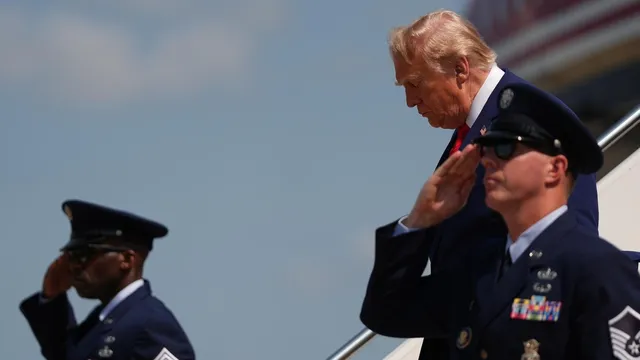
The U.S. service members killed in the Middle East represent a significant and somber aspect of American military history, particularly in the context of the ongoing conflicts in the region. Since the onset of the War on Terror following the September 11 attacks in 2001, thousands of U.S. troops have been deployed to various countries in the Middle East, including Iraq and Afghanistan. The sacrifices made by these service members are a testament to their commitment to national security and the complex geopolitical landscape of the region. The loss of life has not only impacted military families but has also shaped public perception and policy regarding U.S. involvement in foreign conflicts.
The circumstances surrounding the deaths of U.S. service members in the Middle East vary widely, encompassing combat operations, training missions, and humanitarian efforts. Many service members have lost their lives in direct combat with insurgent groups, while others have died as a result of improvised explosive devices (IEDs) or other hostile actions. Additionally, some have succumbed to non-combat-related incidents, including accidents and health issues exacerbated by the harsh conditions of deployment. Each loss is a reminder of the risks faced by military personnel and the unpredictable nature of warfare in a region marked by instability and conflict.
The impact of these fatalities extends beyond the battlefield, affecting military families, communities, and the nation as a whole. The grief experienced by families who have lost loved ones in service is profound, often leading to long-lasting emotional and psychological effects. The government and various organizations have implemented support systems to assist these families, including counseling services and financial assistance. Public memorials and commemorative events also play a crucial role in honoring the sacrifices made by these service members, fostering a sense of national unity and remembrance.
In conclusion, the deaths of U.S. service members in the Middle East highlight the human cost of military engagement and the complexities of foreign policy. As the U.S. continues to navigate its role in the region, it is essential to recognize and honor the sacrifices made by those who serve. Understanding the historical context and the ongoing implications of these losses is vital for informed discussions about military strategy, national security, and the future of U.S. involvement in the Middle East.