

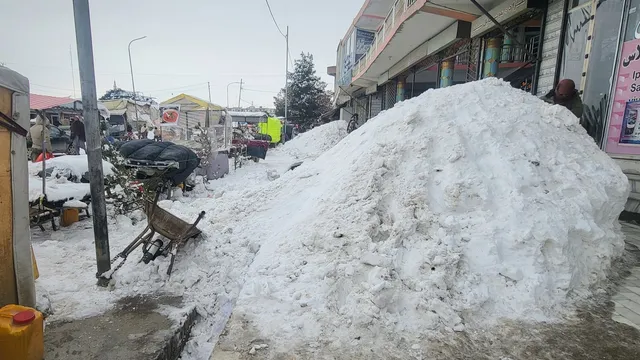
Heavy snowfall and rain kill dozens as Afghanistan faces ongoing crises
Heavy snowfall and rain kill dozens as Afghanistan faces ongoing crises
- In the last three days, heavy snow and rainfall have caused major destruction in Afghanistan, including fatalities and widespread injuries.
- Infrastructure challenges have hindered the government’s efforts to reach isolated areas affected by the severe weather.
- The national disaster management situation highlights the ongoing humanitarian crisis and vulnerability of the Afghan population to extreme weather events.
Story
Afghanistan recently experienced severe weather conditions, with heavy snow and rainfall leading to significant loss of life and injuries. Over a span of three days, 61 individuals were reported dead and 110 were injured across the nation. The National Disaster Management Authority of Afghanistan, represented by spokesman Yousaf Hammad, indicated that these figures included extensive destruction: 458 homes were either entirely or partially destroyed, and numerous livestock perished across 15 out of the 34 provinces in the country. As authorities work to assess the full extent of the damage, they are facing challenges in accessing remote and cut-off villages due to the inclement weather. This tragic event occurred against a backdrop of heightened vulnerability in Afghanistan, a nation that has faced decades of conflict, economic struggles, and environmental degradation. Afghanistan is particularly susceptible to extreme weather events, with the potential for snow and heavy rain to trigger deadly flash floods. The disaster management authority has raised concerns that the figures reported may rise as more information is gathered. In recent years, Afghanistan has witnessed significant fatalities due to natural disasters, and the situation has been exacerbated by climate change, which has intensified the severity and frequency of these weather phenomena. Moreover, the ongoing humanitarian crisis in Afghanistan complicates recovery efforts. The country is still grappling with the aftermath of earthquakes that occurred in the previous year, which destroyed villages and claimed over 2,200 lives. Individuals displaced by these earthquakes are especially susceptible to extreme weather conditions, further heightening their risk in challenging winters. Humanitarian organizations, including UNICEF, have warned of the potential for widespread health crises, particularly related to cold exposure among vulnerable populations, such as children in cold-affected regions. Given these factors, the Afghan government, in collaboration with international partners, has initiated responses to aid affected populations. The United Nations has declared Afghanistan as one of the world's largest ongoing humanitarian crises, calling attention to the urgent needs of nearly 18 million people in the country. A significant financial appeal from the U.N. aims to support these efforts. As the situation unfolds, it remains critical for authorities to address both the immediate and underlying issues contributing to persistent vulnerabilities among Afghanistan's populace.
Context
The situation in Afghanistan has reached a critical juncture, exacerbated by ongoing economic instability and the aftermath of prolonged conflict. The humanitarian crisis in the country is dire, with millions of Afghans facing severe food insecurity, lack of access to healthcare, and inadequate shelter. As of early 2026, around 24 million people, nearly 60% of the population, are estimated to be experiencing acute hunger, with many resorting to desperate measures such as selling personal possessions to survive. The international community has a pressing responsibility to provide urgent assistance to mitigate this escalating crisis and support the Afghan people in rebuilding their lives in a stable and prosperous environment. Access to basic health services has dramatically declined since the change in government in 2021, compounding the challenges faced by vulnerable populations, particularly women and children. Healthcare facilities are severely under-resourced, and the lack of trained medical professionals has left many health needs unmet. Malnutrition rates among children have surged, leading to concerning growth delays and increased morbidity. Efforts by various NGOs and international agencies to provide healthcare services face significant restrictions and challenges, limiting effective outreach and the ability to provide necessary support. Thus, addressing the healthcare crisis remains a priority as part of the broader humanitarian response. Additionally, the economic landscape in Afghanistan deteriorated substantially following the US withdrawal and subsequent changes in governance, leading to a collapse in public services and infrastructure. Many workers have not received salaries for months, leading to widespread poverty and reduced purchasing power. The economic strife has thus not only compounded the humanitarian crisis but also fostered an environment where basic human rights are at risk. Humanitarian aid organizations are striving to deliver food and essential supplies, yet the need far exceeds the available resources, and sustained international commitment is critical to alleviate this suffering. To effectively address the humanitarian crisis in Afghanistan, a multifaceted approach is necessary. This includes not only immediate provision of food, healthcare, and shelter but also longer-term strategies for economic recovery and stability. Humanitarian assistance must prioritize vulnerable groups while also addressing gender disparities and ensuring that aid reaches those most in need. Continued dialogue and coordinated action among international actors, humanitarian agencies, and the Afghan authorities are essential to create a viable roadmap for recovery and stability, ultimately enabling Afghans to build a more resilient future.


