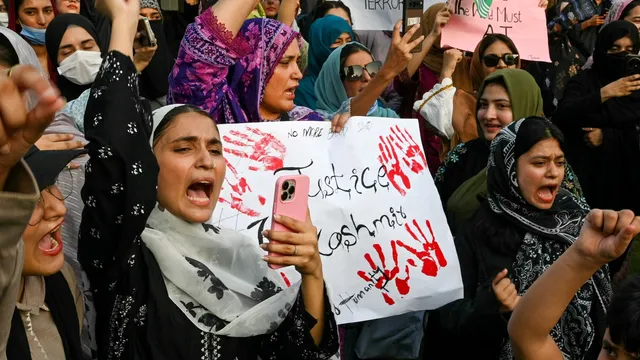
In Pakistan-administered Kashmir, deadly clashes erupted during the first round of regional elections on July 27, 2026. The Joint Awami Action Committee (JAAC), a banned activist group, reported that over 30 individuals lost their lives amid violent confrontations between police and protesters. The unrest was fueled by the group's boycott of the elections and their demands for the abolition of 12 assembly seats reserved for Kashmiri refugees, which they argue are manipulated by major political parties to influence local governance. The protests were marked by claims of excessive force used by security personnel against demonstrators, leading to widespread condemnation from human rights organizations.
The situation escalated when JAAC members claimed that 20 of their supporters were killed during a march on the day of voting, with additional fatalities reported in the following days. Pakistani authorities acknowledged the death of a security personnel and injuries to several others during the clashes. The unrest has drawn international attention, with Amnesty International calling for an investigation into the use of lethal force against protesters and urging the restoration of communication services in the region, which have been disrupted since the JAAC was banned under anti-terrorism laws.
The elections, which are set to continue with two more rounds on August 2 and August 10, have been marred by allegations of ballot box tampering and vote rigging. The primary governing party, the Pakistan Muslim League-Nawaz (PML-N), secured nine out of the 13 seats contested in the first round. However, the political landscape remains contentious, as the PML-N's reliance on the controversial assembly seats reserved for refugees raises questions about their ability to address local issues effectively.
The JAAC's demands and the violent response from authorities highlight the ongoing tensions in the region, where the political climate is heavily influenced by historical grievances and the complex relationship between Pakistan and India. The situation remains fluid, with the potential for further unrest as the elections progress and the JAAC continues to advocate for their cause.