
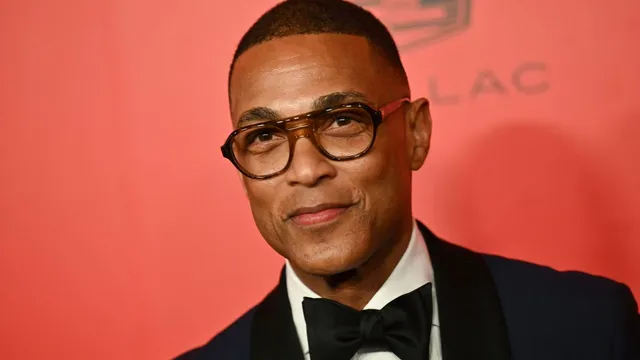
Don Lemon arrested for reporting on protest at Minnesota church
- Don Lemon was arrested by federal agents for covering protests at a Minnesota church.
- He faces charges under laws aimed at protecting civil rights and preventing disruptions to worship.
- The arrest has sparked significant debate about press freedom and the treatment of journalists in the U.S.
Story
In the United States, a significant event unfolded when journalist Don Lemon was arrested in Los Angeles on January 29, 2026. The arrest was linked to his coverage of a protest that took place at Cities Church in St. Paul, Minnesota, on January 18. The protest was prompted by discontent regarding the local head of the U.S. Immigration and Customs Enforcement, who also served as a pastor. Demonstrators, including Lemon, were protesting against perceived injustices surrounding immigration policies, especially following tragic incidents that led to the deaths of two U.S. citizens during ICE operations. The legal basis for Lemon's arrest stems from charges alleging he conspired to deprive others of their civil rights and violated the Freedom of Access to Clinic Entrances Act (FACE Act). The Department of Justice emphasized that the charges were serious, focusing on the alleged coordinated disruption of religious worship and seeking to prevent intimidation regarding the First Amendment rights. Lemon’s lawyer condemned the arrest as a direct assault on press freedom, arguing that Lemon was performing his responsibilities as a journalist by documenting the protest. Following his arrest, reports suggested that several other individuals involved in the protest were also charged. This included independent journalist Georgia Fort, whose involvement sparked more debates about the role of the media in covering protests and the legal ramifications journalists potentially face. In a statement after his release, Lemon affirmed that he intends to fight the charges vigorously and views this case as an affront to free speech and journalism. The broader implications of these arrests have raised alarms among press advocates, signaling a potential chilling effect on journalistic freedom. Legal experts noted that precedents for charging journalists under such statutes are rare, suggesting a concerning trend regarding the government’s stance on free press. These events highlight ongoing tensions in the U.S. surrounding immigration enforcement, civil rights, and the protections afforded to those in journalism who seek to report on protest movements and the actions of government authorities.
Context
The First Amendment of the United States Constitution guarantees fundamental rights that are particularly relevant for journalists, especially in the context of protests. It protects the freedoms of speech, press, assembly, and petition, which are critical for the functioning of a democratic society. In situations of public demonstrations and protests, journalists play a pivotal role in informing the public, holding power accountable, and providing a voice to marginalized groups. This report focuses on the rights and responsibilities of journalists under the First Amendment, especially in turbulent protest scenarios where the lines between citizen action and policing may blur, leading to potential infringements on constitutional rights. The protection under the First Amendment extends to journalists covering protests, giving them the right to observe and report on public events without fear of arrest or censorship. This means that as long as journalists are in public spaces and not obstructing law enforcement activities, they have the constitutional right to photograph, film, and report on protests. Moreover, journalistic content, including the analysis and dissemination of information pertaining to protests, is protected under the freedom of the press. However, this protection is not absolute. Journalists must adhere to laws concerning trespassing, obstruction, and other regulations, which can sometimes lead to complex legal challenges during chaotic protest situations. While the First Amendment provides robust protections, there have been numerous instances where journalists face harassment, arrest, or interference from law enforcement during protests. Such actions often raise significant legal and ethical questions regarding the extent of First Amendment protections. Many states have enacted laws aimed at safeguarding journalists against arrest during protests, emphasizing their right to operate freely in the public interest. Additionally, various organizations advocate for the rights of journalists and provide legal support to those who encounter unjust treatment while fulfilling their professional duties at protests. The increasing trend of intimidation against journalists highlights the need for continued vigilance and advocacy to ensure their rights are upheld. In conclusion, the First Amendment is a cornerstone of journalistic freedom, especially in the context of protests where the dissemination of information is crucial to public awareness and accountability. Understanding the legal framework that protects journalists and recognizing the ongoing threats they face is essential in maintaining a healthy democratic society. As protests continue to be a prevalent means of expression in the United States, the critical examination of First Amendment protections for journalists remains vital. Advocacy for stronger protections and awareness of journalists' rights is necessary to ensure the free flow of information, which is a fundamental aspect of democracy.
